History
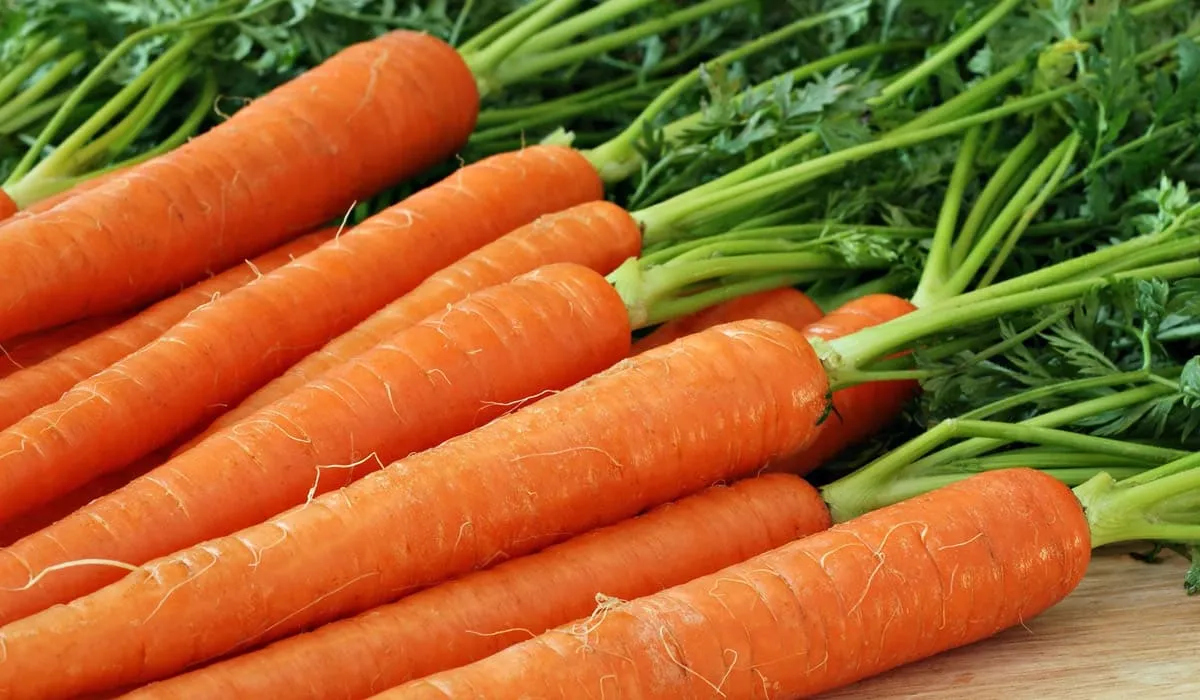
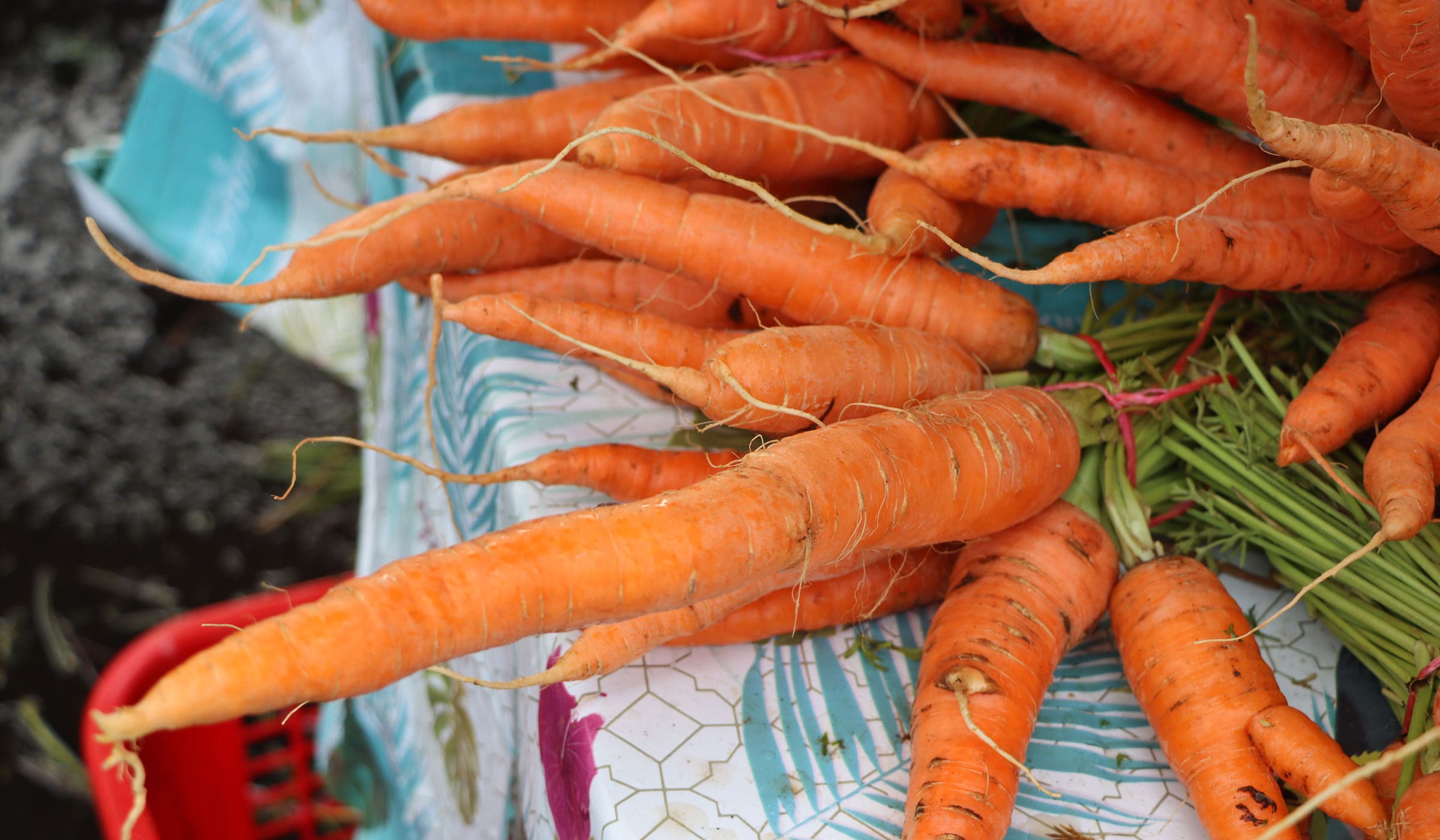
The carrot, whose scientific name is Daucus carota, is believed to have originated from Asia Minor, in the region of present‑day Iran, more than 2,000 years ago. This wild carrot is related to the garden carrot, the ancestor of the modern carrot we know today. The inhabitants of the Mediterranean basin began consuming carrots long before our era. The Greeks and Romans did not seem to appreciate them very much. At the time, carrots were whitish in color, with tough skin and a very fibrous core.
During the Renaissance, the species was improved and made more palatable. But it was not until the mid‑19th century that the carrot acquired its bright orange color and became the vegetable we know today.
The date of its introduction to Martinique is unknown, but it was likely brought to the island during European colonization.
Varieties
There are more than 510 cultivated carrot varieties or cultivars listed in the European catalogue, and over 80 in the French catalogue.
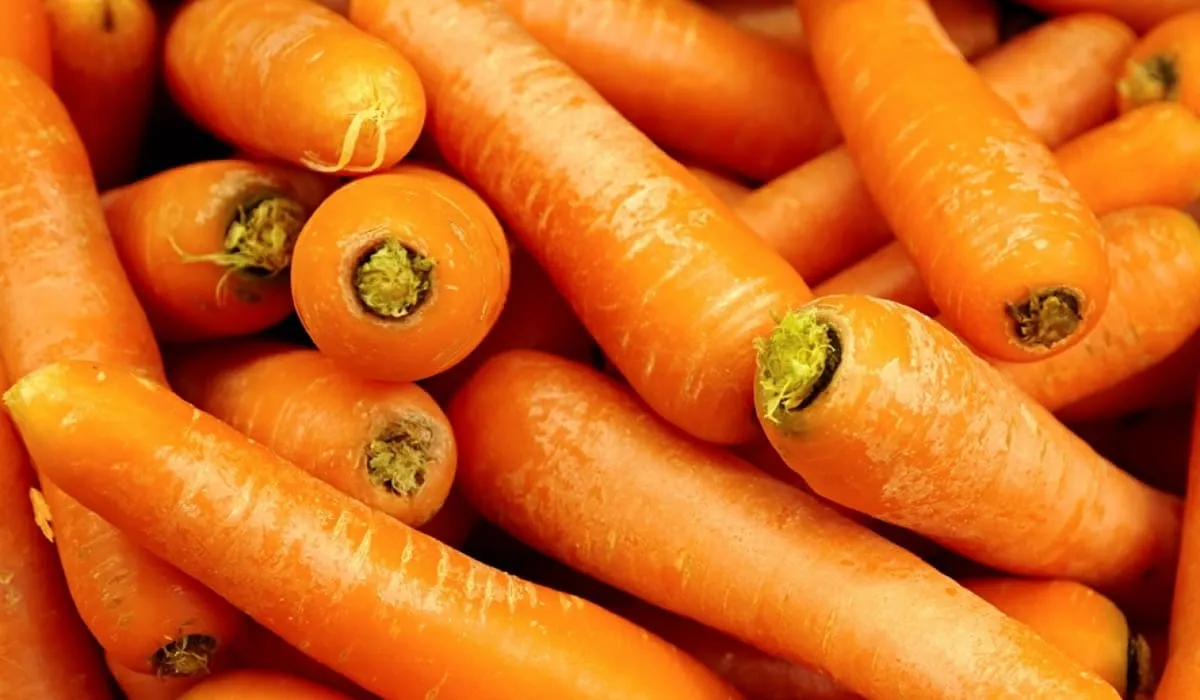
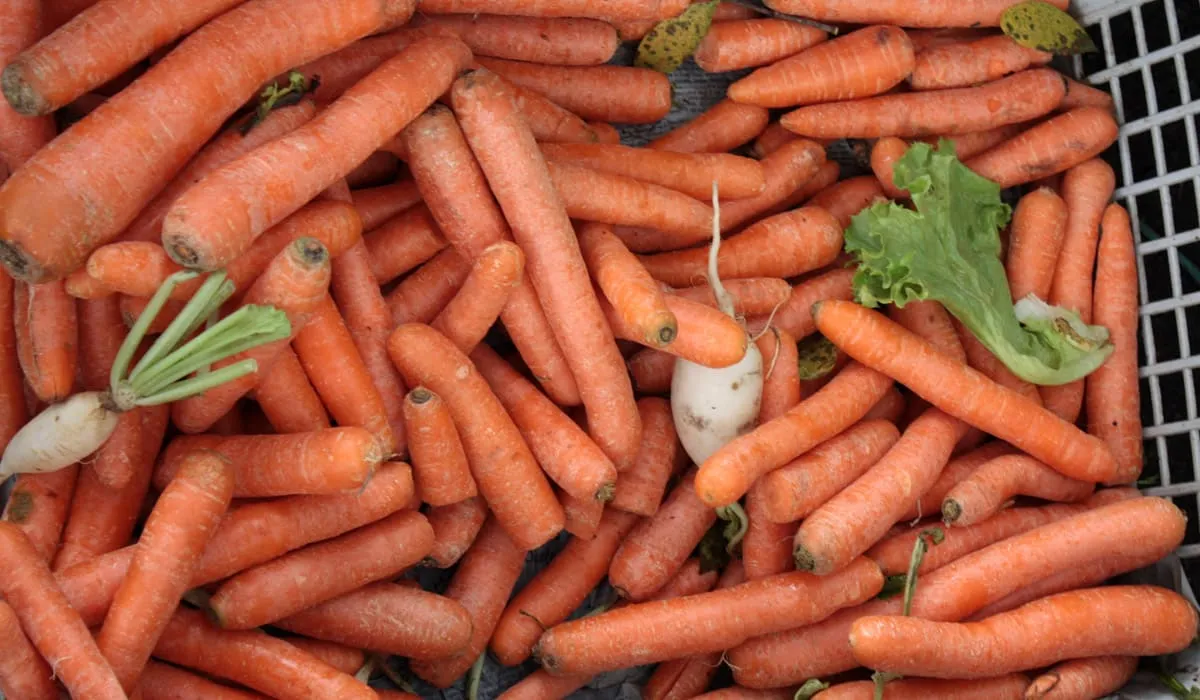
The main carrot varieties grown differ in size—short, half‑long, or long—in shape, either cylindrical or conical, and in color (white, yellow, orange, reddish, purple, etc.).
In Martinique, the varieties most commonly grown are Nantaise (half‑long or long), New Kuroda, Abbaco, and Amazonia.
The carrot is a biennial herbaceous plant that can reach up to 30 cm in height, with a taproot that is most often orange, thick, and elongated.
The leaves are deeply divided and covered with fine hairs.
The small white flowers are grouped into compound umbels, a characteristic inflorescence of the family. These umbels have 30 to 40 rays, usually curved toward the top. The central flower, relatively larger, is dark purplish red, which makes carrot umbels easy to recognize at first glance.
Flowering generally occurs from May to October. In Martinique, carrots can be harvested 3 to 4 months after planting.
It is recommended to sow carrot seeds in Martinique between September and December.
Medicinal Properties
Rich in carotenoids, carrots have antioxidant properties, meaning they help neutralize free radicals in the body. Carotenoids reduce the risk of several diseases, including cancer, cardiovascular diseases, and certain age‑related conditions such as cataracts.
Their high vitamin A content is also beneficial for vision and hair strength. Carrots also help promote healthy skin.
Uses
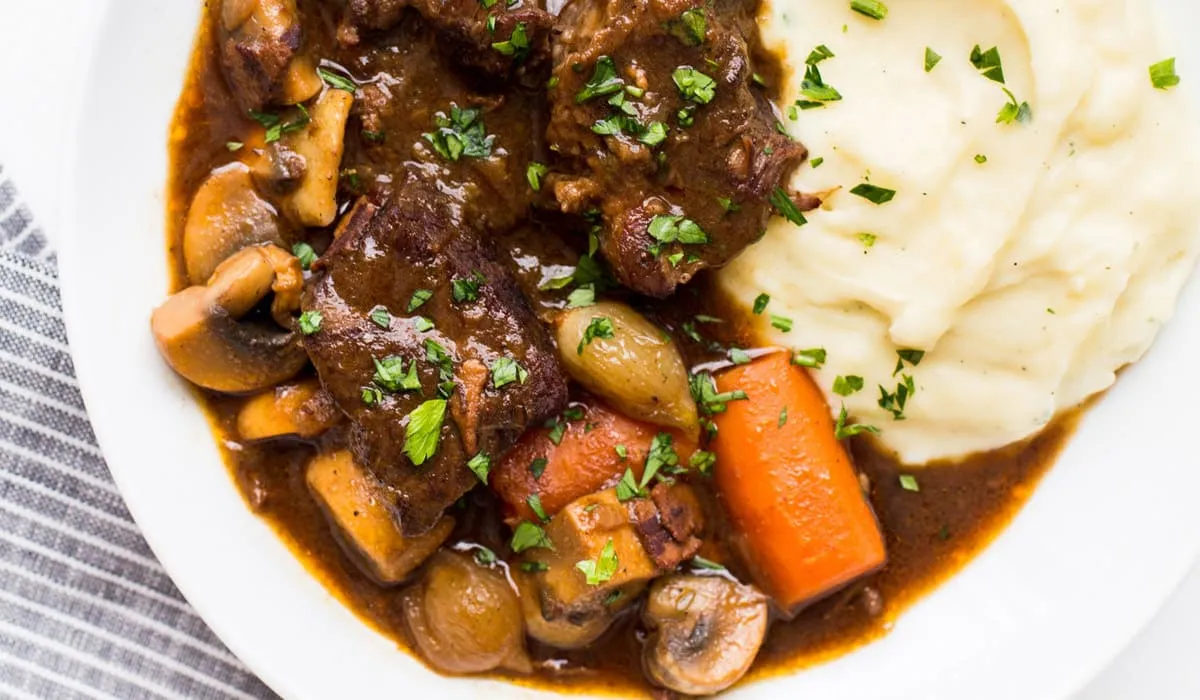
Carrots are widely used in Martinican cuisine. They are most often grated and eaten as a salad, but they are also used to make juice. They are consumed both raw and cooked. Cooked, they can be prepared with green beans and potatoes for vegetable macédoine, or included in dishes such as beef bourguignon.
They are also frequently added to the preparation of acras.