History
The mandarin, whose scientific name is Citrus reticulata, is a citrus fruit native to Southeast Asia and the Philippines. It was widespread in Japan and southern China. It reached the Western world through individuals interested in certain cultivars.
Two varieties from Canton are said to have been brought to England in 1805. Mandarin cultivation was then adopted throughout the Mediterranean region.
European colonists are believed to have introduced the mandarin to the Americas, with its arrival estimated around 1850.
In Martinique, it gradually spread across the island, from north to south and east to west. Even today, you can’t miss mandarin trees full of fruit at the beginning of the year.
Varieties
There are several varieties of mandarins, grouped into three cultivar classes: mandarins, tangerines, and satsumas.
The varieties found in Martinique include Clémentine, King, Commune, Brickaville, Fairchild, and Fortune.
However, note that the fruit Europeans call “clementine,” commonly found in stores at the beginning of the year, is actually a mandarin variety called Owari. This variety is not found in the French Caribbean. Therefore, in Martinique, people speak exclusively of mandarins, not clementines.
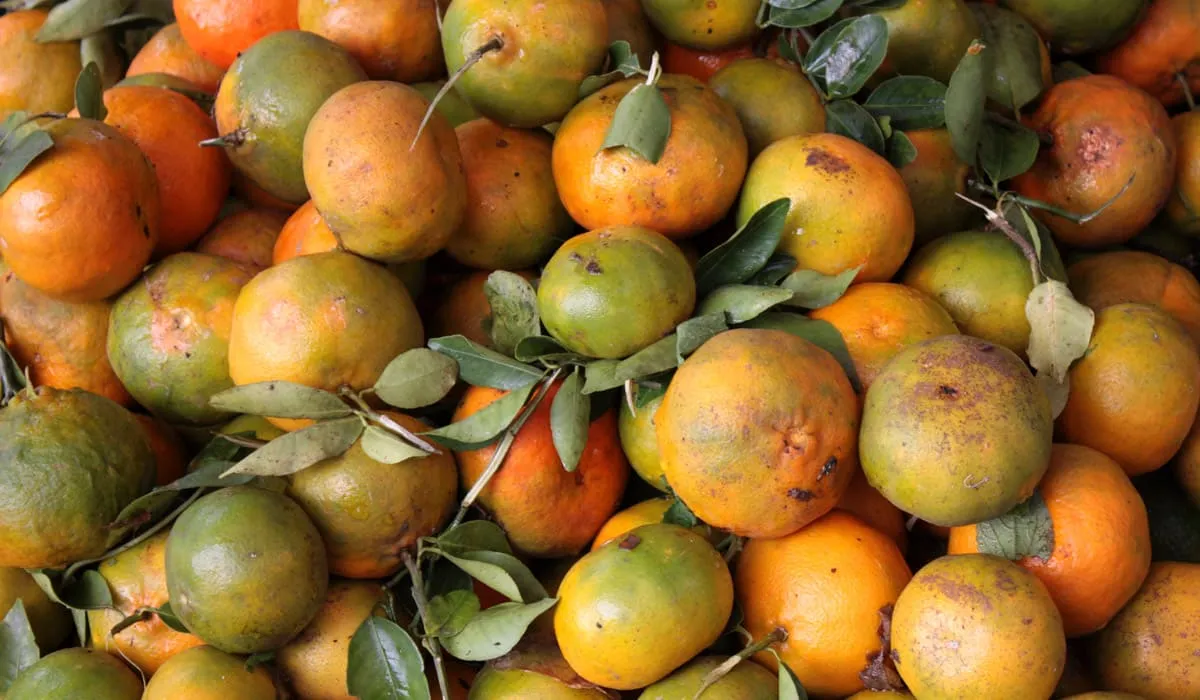
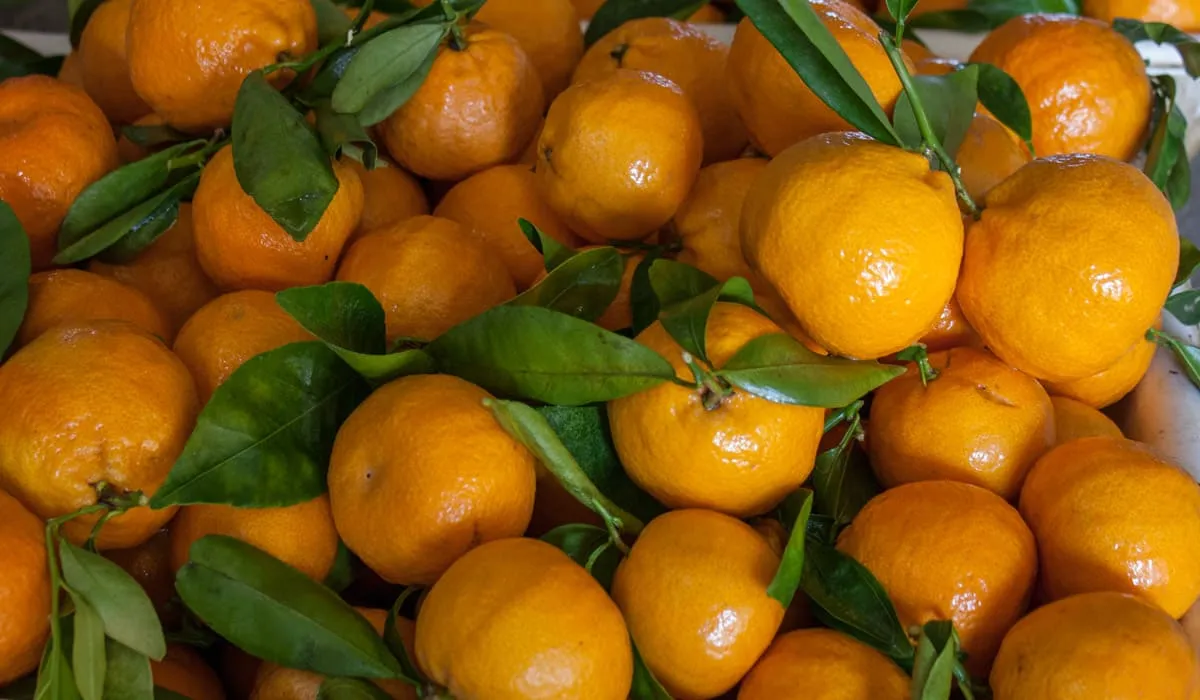
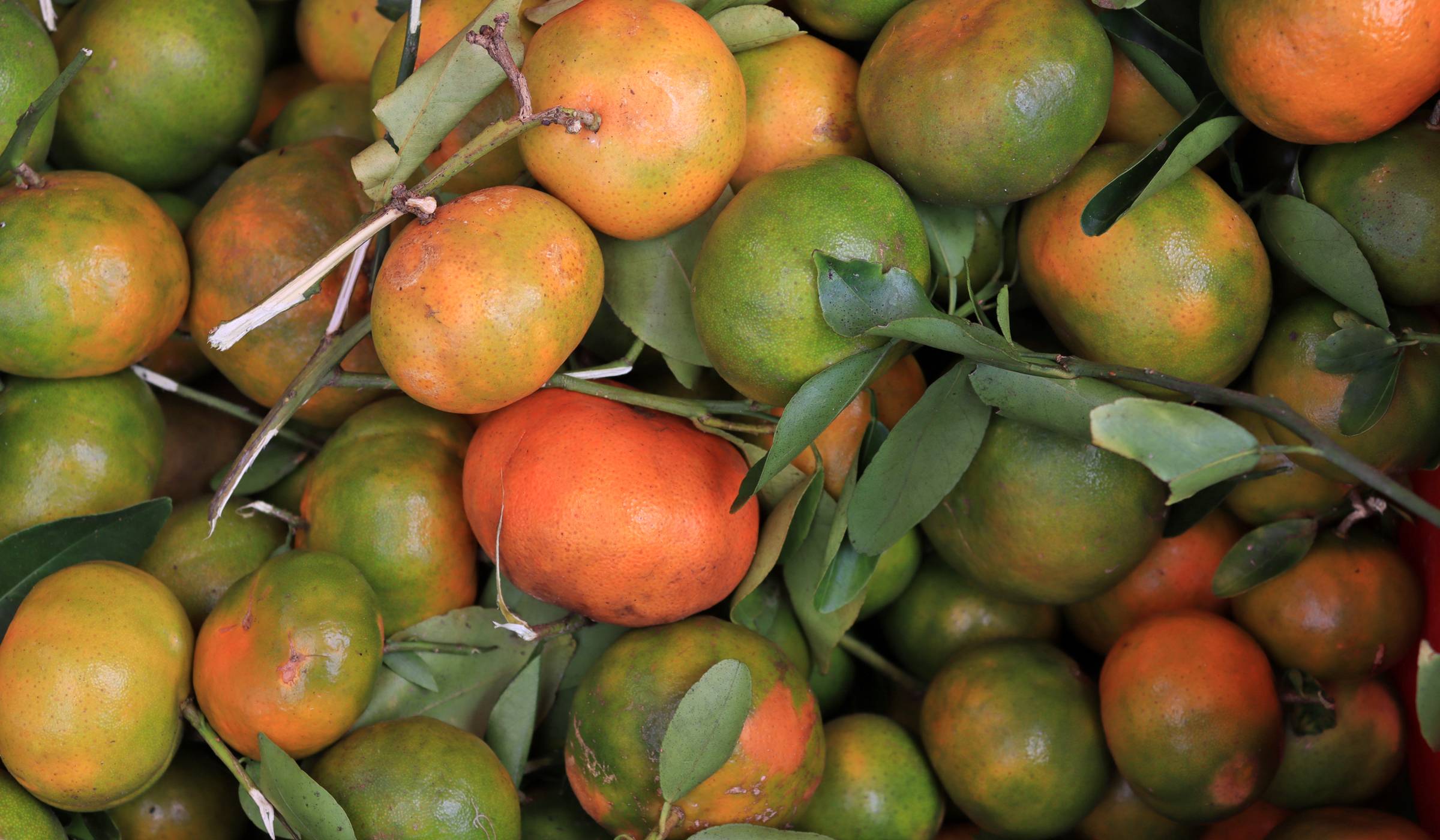
The size varies depending on the variety, but most mandarins in Martinique measure 5 to 8 cm in diameter, are spherical and slightly flattened. Mandarin is the sweetest citrus fruit. It contains many seeds. Its peel is thin and reddish‑orange, and it has about ten segments.
Medicinal properties
As a citrus fruit, it contains a high level of vitamin C, which helps fight fatigue and cold‑related ailments.
Vitamin C is known to be beneficial for the skin. It helps keep the skin firm and protects it from sun exposure. Mandarin also contains carotene, known for giving a healthy glow and strengthening blood capillaries. It also promotes digestion without irritation.
Mandarin contains dietary fiber that can be helpful in weight‑loss diets.
Uses
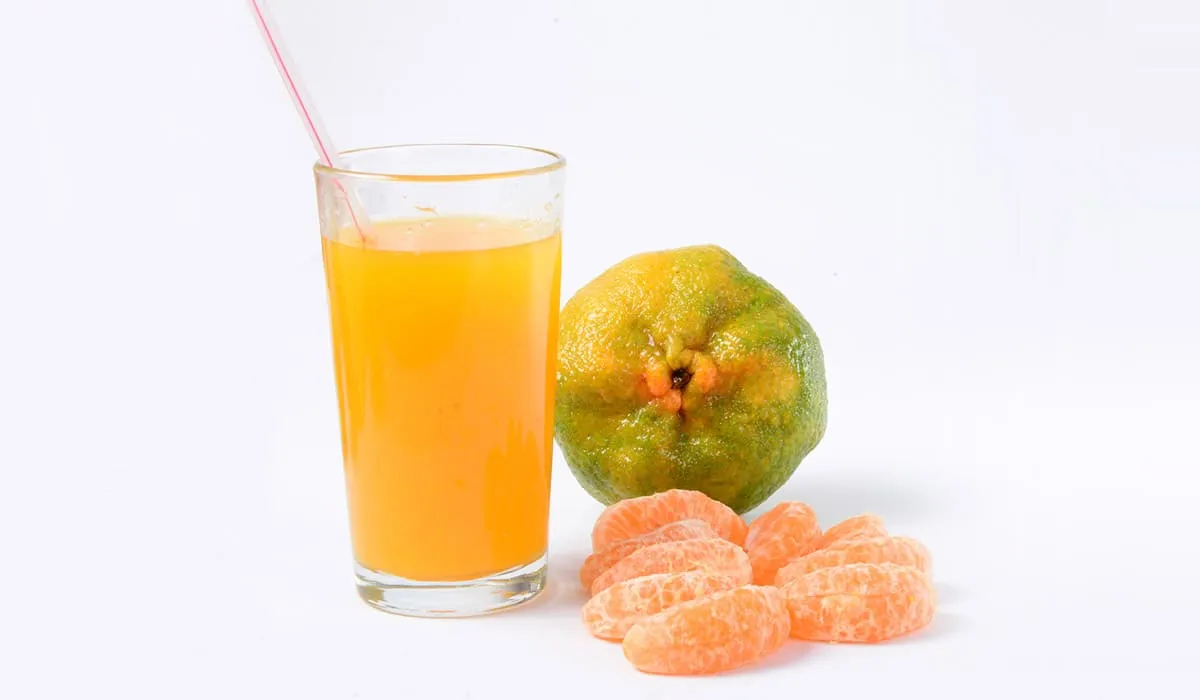
In the French Caribbean, mandarin is the preferred fruit during the end‑of‑year holiday season. It is most often eaten fresh, made into juice (see photo opposite), or used in alcoholic beverages (punch, liqueur).
Its peel is used to prepare a special shrubb, which is enjoyed as a liqueur, digestif, or even an aperitif.
Elsewhere in the world, mandarins are also used in cosmetic products.
To keep them fresh for as long as possible, you can store them in the freezer.