History
The orange, or sweet orange, whose scientific name is Citrus sinensis, is believed to originate from southern China, northeastern India, and possibly Southeast Asia, formerly Indochina. It was brought to the Mediterranean region either by Italian merchants after 1450 or by Portuguese navigators around 1500.
Until that time, citrus fruits were valued in Europe mainly for medicinal purposes, but the orange was quickly adopted as a delicious fruit. Wealthy families even grew them in private conservatories known as orangeries.
By 1646, the orange was well known and fully integrated into the European diet. Christopher Columbus is said to have introduced it to Haiti in 1493, from where it spread to the rest of the Caribbean during the 16th century. Today, it is found throughout tropical and subtropical regions of the world.
Varieties
There are many varieties of oranges worldwide (Washington Navel, Trovita, Valencia, Lue Gim Gong, Rhode Red Valencia, Hamlin, Homosassa, Shamouti, Parson Brown, Pineapple, Queen, and Blood Oranges).
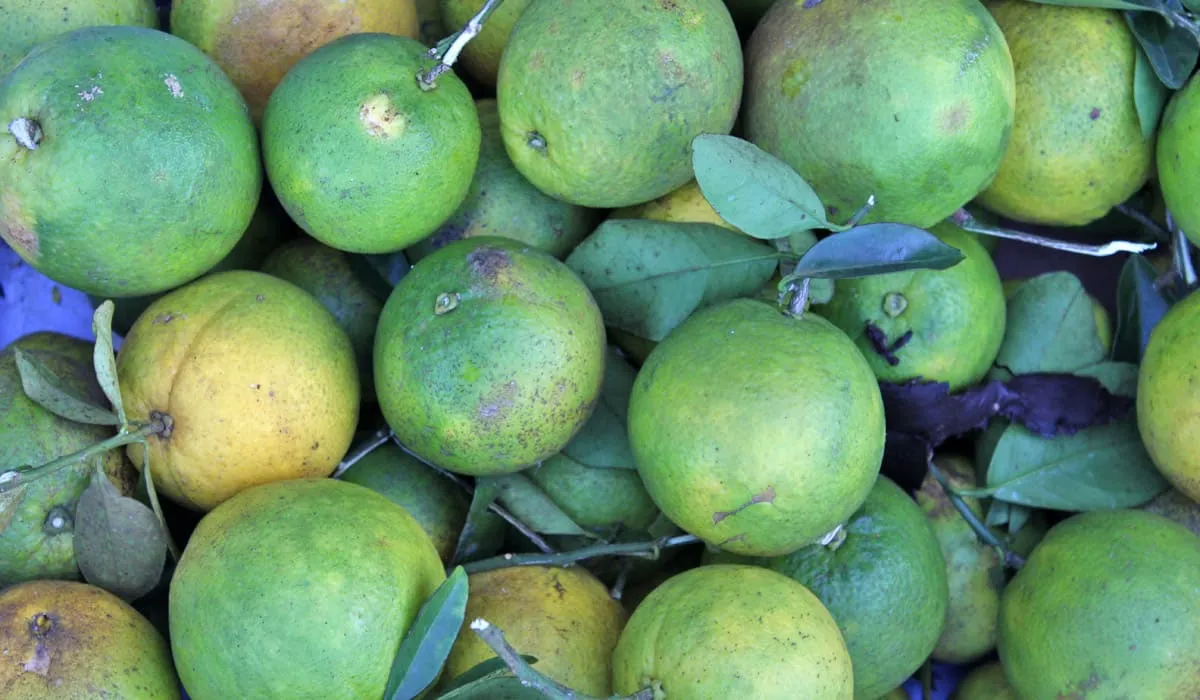
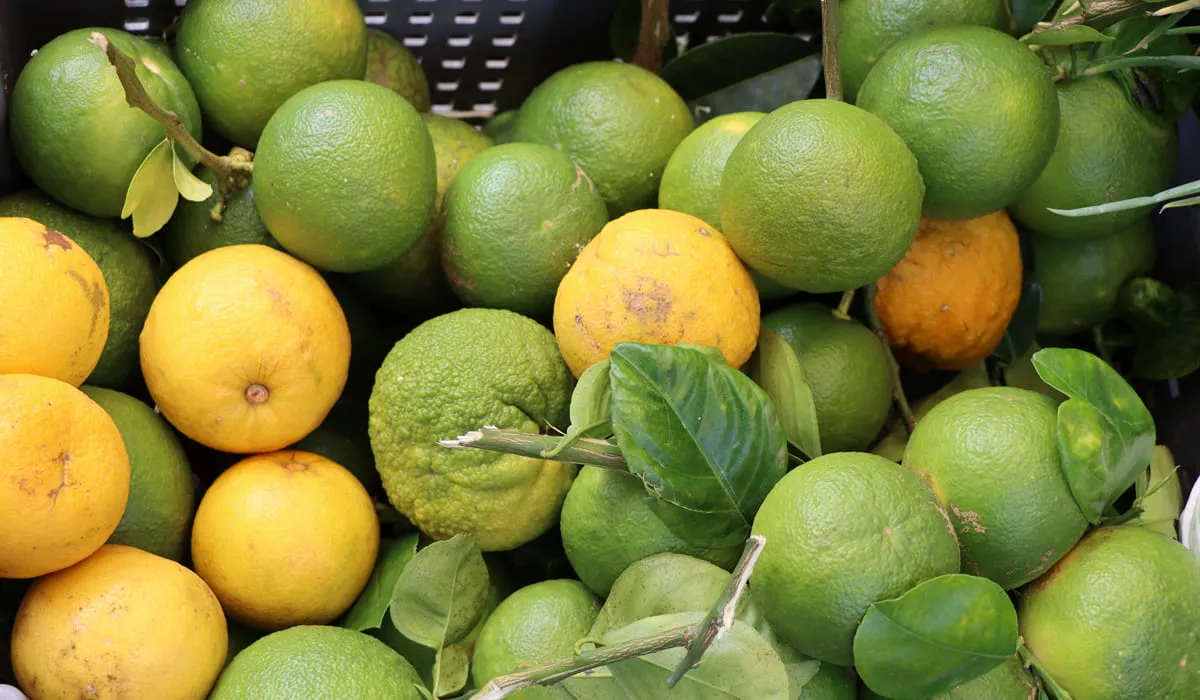
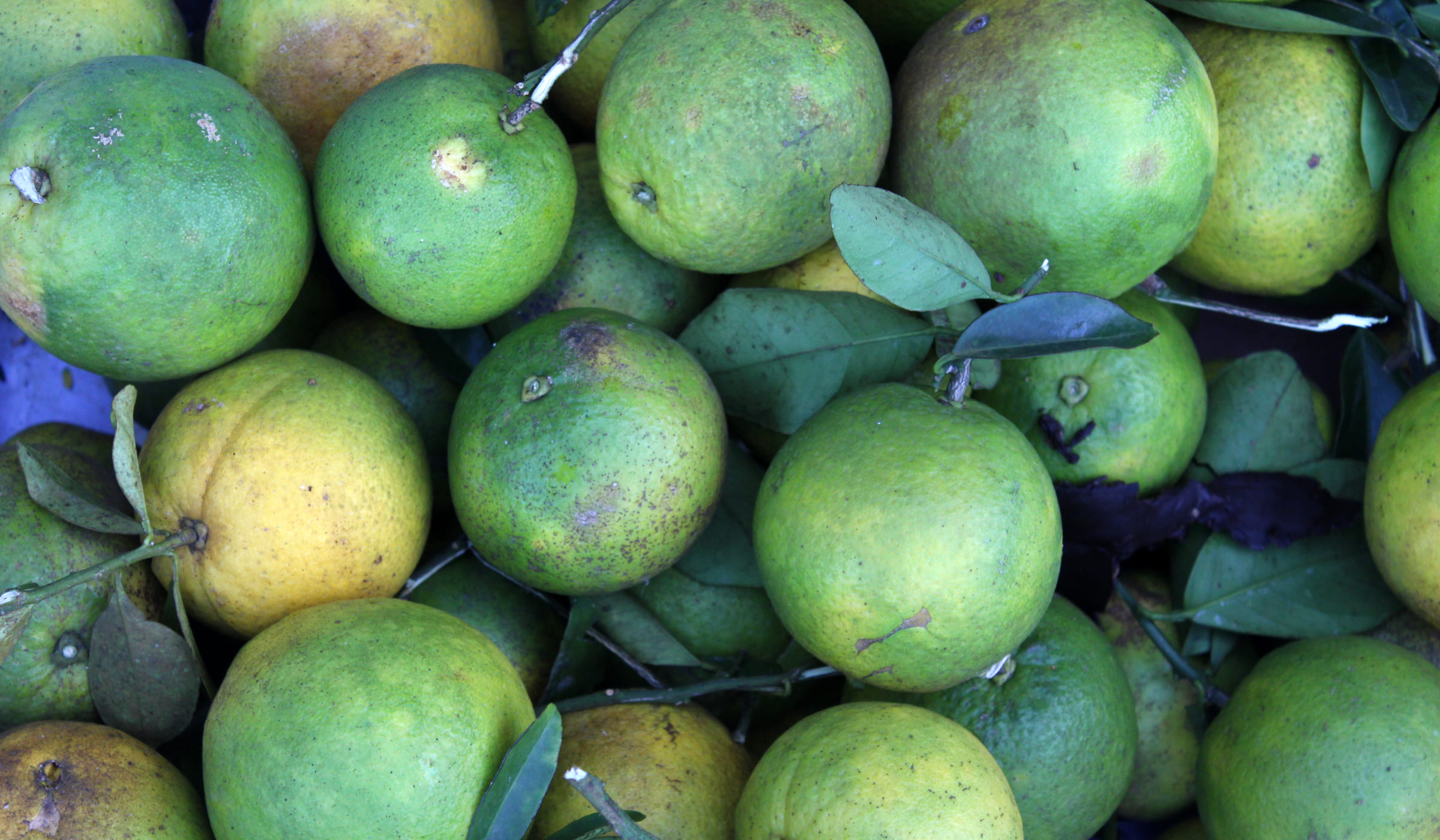
In Martinique, oranges may have green skin (as shown in the photo) or yellow skin. The varieties found on the island include Washington Navel, Valencia Late, Salustiana, Homlen, Tangor Ortanique, Tangelo Orlando, and Pineapple.
Sweet orange (Citrus sinensis) should not be confused with bitter orange (Citrus aurantium), which has a thick rind.
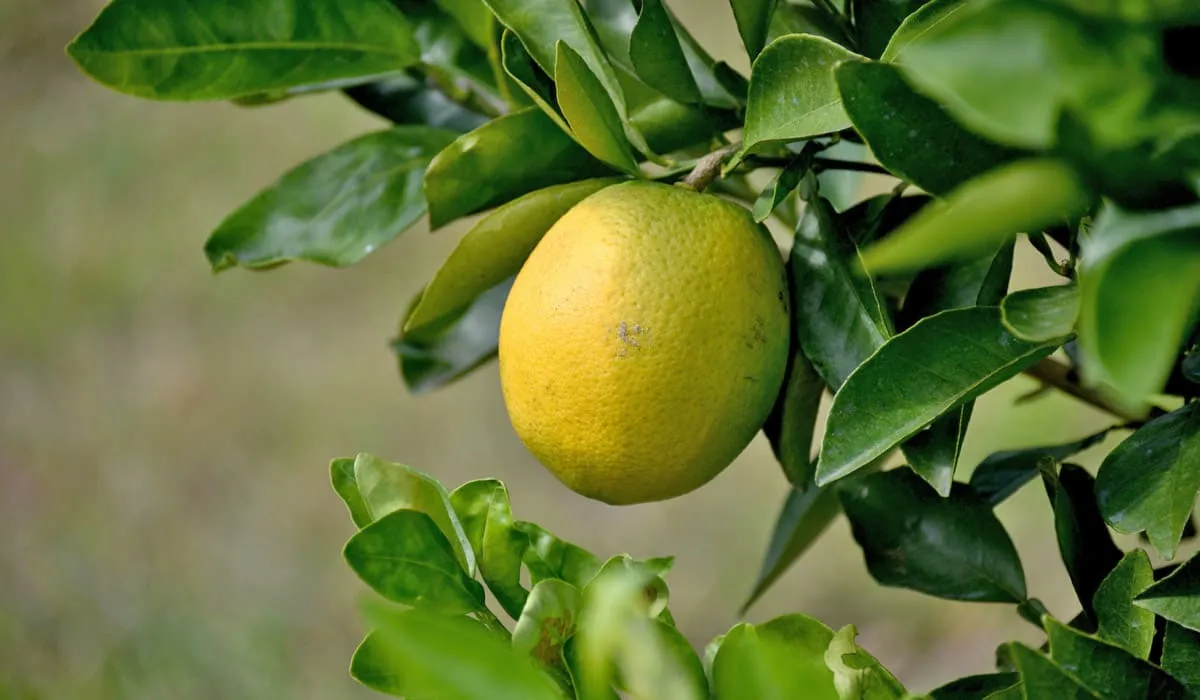
The orange tree has slender, flexible thorns and a rounded crown that can reach 6 to 15 meters in height. Its leaves are alternate, elliptical to oval, and pointed at the tip. Its fragrant white flowers give rise to a round fruit whose peel contains small essential‑oil glands.
Initially green, the peel turns yellow‑green when ripe in tropical regions, or bright orange in areas where maturation occurs during cooler seasons.
Medicinal properties
Sweet orange is an alkalizing, nutritious, energizing, remineralizing, refreshing, and toning food that:
- protects blood vessels and has anti‑hemorrhagic properties while reducing blood hyperviscosity,
- has appetite‑stimulating, digestive, and mild laxative effects,
- acts as a diuretic,
- stimulates the nervous system,
- promotes cellular and skin rejuvenation,
- has anti‑scorbutic properties,
- and finally, offers anti‑infectious benefits while strengthening the body’s natural defenses.
Uses
After removing the zest, the orange is eaten in segments or cut in half.
It is also consumed as juice or nectar, and used in alcoholic liqueurs, most notably shrubb, the traditional end‑of‑year liqueur.
Its zest can be used in cakes or candied fruit preparations.
Orange is also used in the production of cosmetic and household products.