History
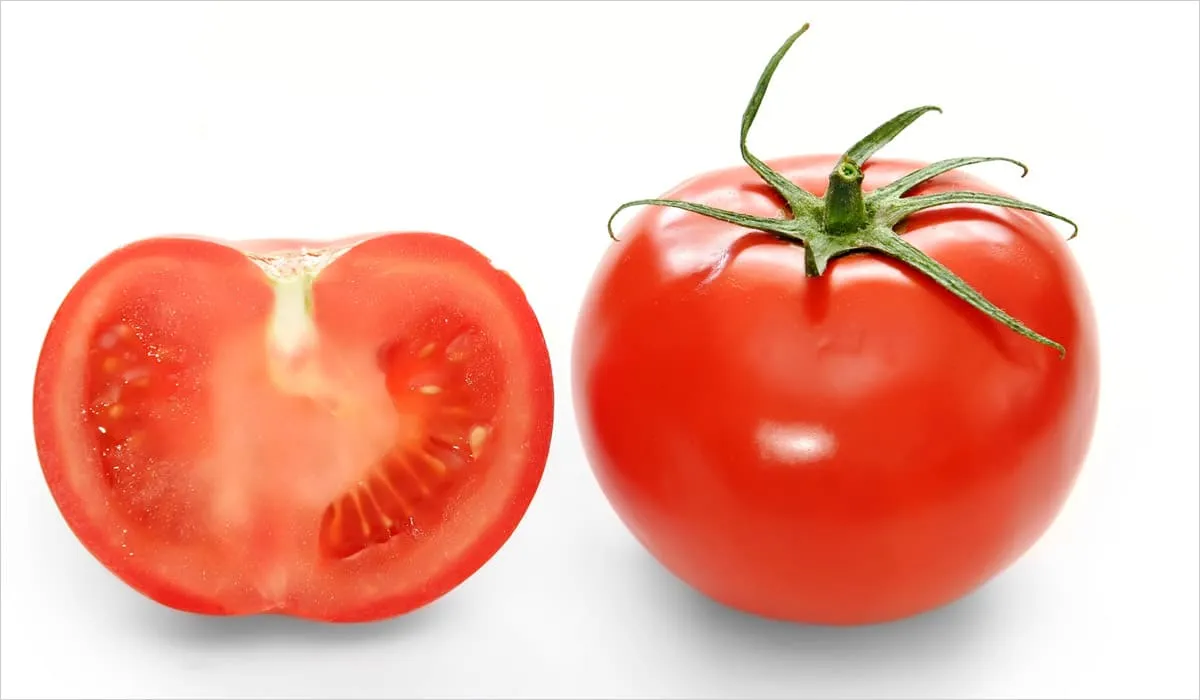
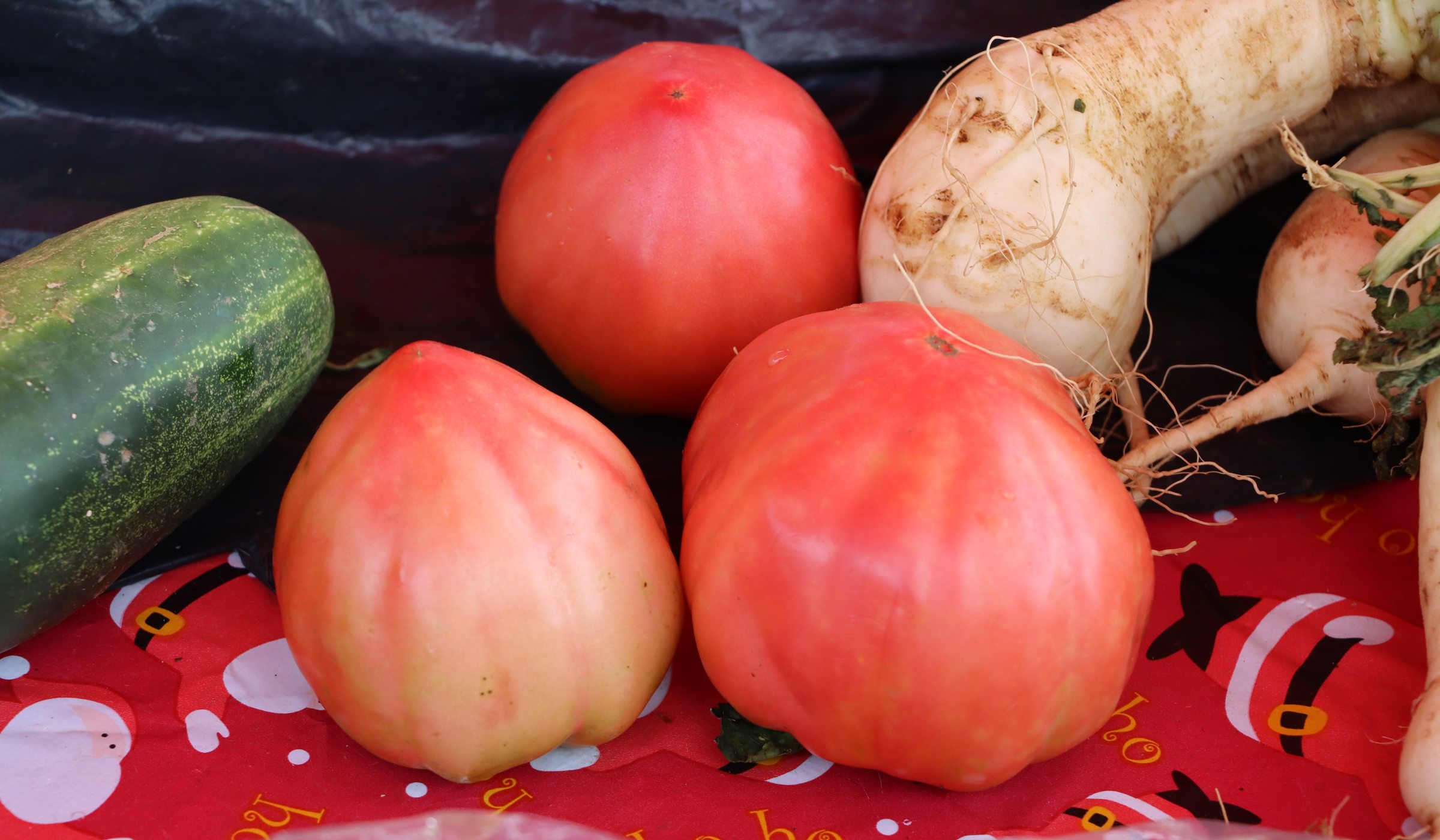
The tomato, whose scientific name is Solanum lycopersicum, is a species of herbaceous plant in the Solanaceae family, as well as the fleshy fruit it produces. The tomato originates from the northwestern region of South America (Colombia, Ecuador, Peru, and northern Chile). It was later domesticated in Mexico by Spanish colonizers after the conquest of Tenochtitlan (present‑day Mexico City) by Hernán Cortés in 1519. Tomatoes appeared on the tables of European monarchs as early as the 16th century, following the various voyages linked to the conquest of the Americas.
It was then called the “Golden Apple” because of its yellow color, due to the arrival of a yellow‑fruited variety.
From the 16th century onward, it was cultivated and consumed in Europe.
The date of its introduction to Martinique is unknown, but it is believed that Spanish conquistadors brought it to the Lesser Antilles and the Caribbean. It was later grown by enslaved people in the small garden plots reserved for subsistence crops.
Varieties
There are countless tomato varieties cultivated around the world. Humans have tended to favor larger fruits over smaller ones.
In Martinique, the main varieties found are Caraïbo, as well as Heastmaster, TX 54, and TX 62.
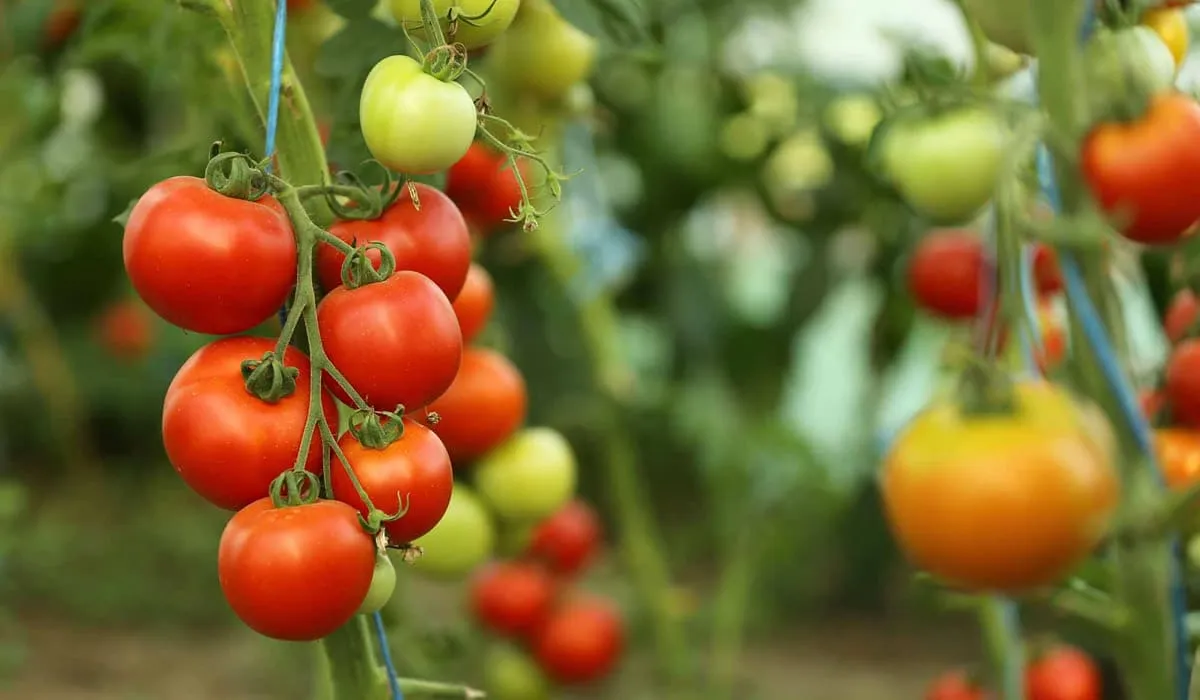
The tomato thrives in warm temperate to tropical climates. Its ideal temperature ranges between 15°C and 25°C, and it cannot tolerate temperatures below 2°C. Its growing cycle is fairly long—between 5 and 6 months from sowing to the first harvest.
Day length is also crucial. In mainland France, tomatoes benefit from 17 to 18 hours of daylight, while in Martinique the maximum is around 12 hours.
Tomatoes prefer loose, well‑aerated, well‑drained soils rich in organic matter, with a pH between 6 and 7. They are sensitive to root asphyxia, and it is advisable to avoid overly windy plots.
Excessively rainy periods are not recommended for sowing.
In Martinique, the time between planting and harvest ranges from 1 to 5 months.
Tomato cultivation on the island is often affected by destructive bacterial diseases. For example, in the late 2000s, a small whitefly pest (the aleurode) and bacterial wilt caused by another parasite reduced open‑field tomato production by a factor of three (2,000 tons compared to 6,000 tons in the early 2000s).
Medicinal properties
Tomatoes have many medicinal benefits. Rich in water (90–93%), they are refreshing and hydrating. Someone who drinks little water can meet part of their daily hydration needs simply by eating tomatoes.
Tomatoes help protect the skin from the sun’s rays and promote tanning. They also improve skin appearance.
With only 15 calories per 100 g, tomatoes are low in energy but rich in vitamins and minerals.
They are high in fiber, which supports digestion and intestinal transit.
Tomatoes help fight gallstones and hypertension. They are also powerful antioxidants and contribute to the prevention of various types of cancer.
Uses
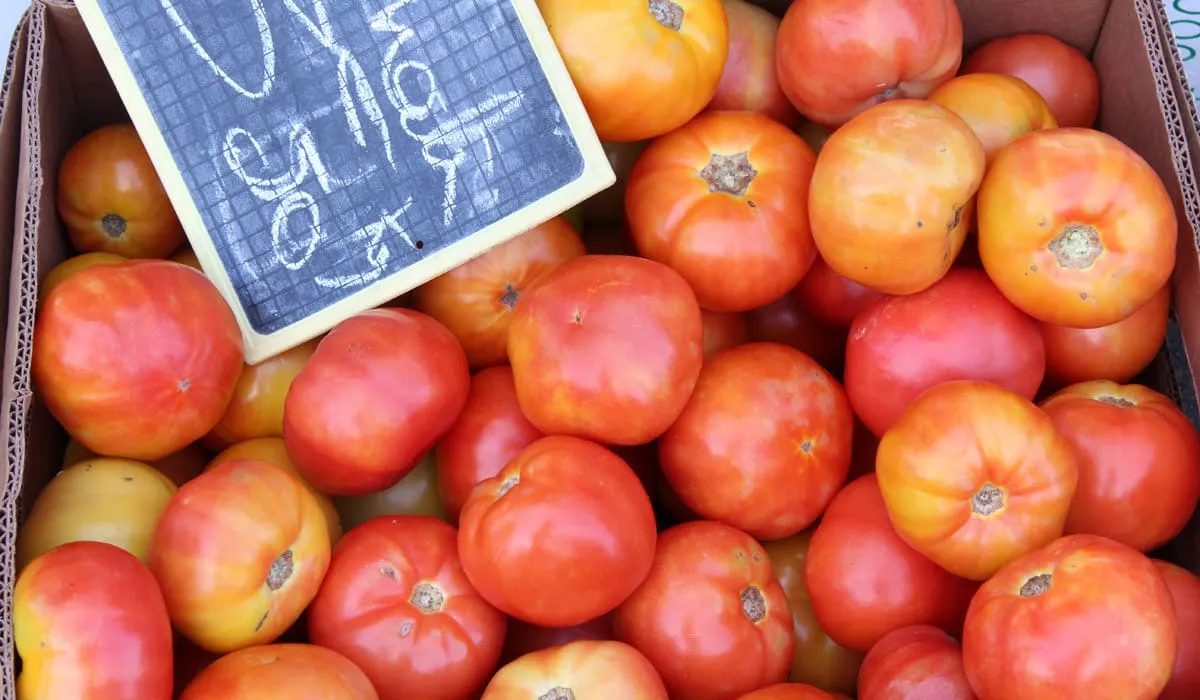
Tomatoes are widely used in Martinican cuisine. Beyond salads, where they are almost always present, they are essential in sauces for traditional dishes such as fish court‑bouillon, salted cod preparations, shrimp dombré, and many others.
Tomatoes are also enjoyed as juice or in soups.