Presqu'île de la Caravelle

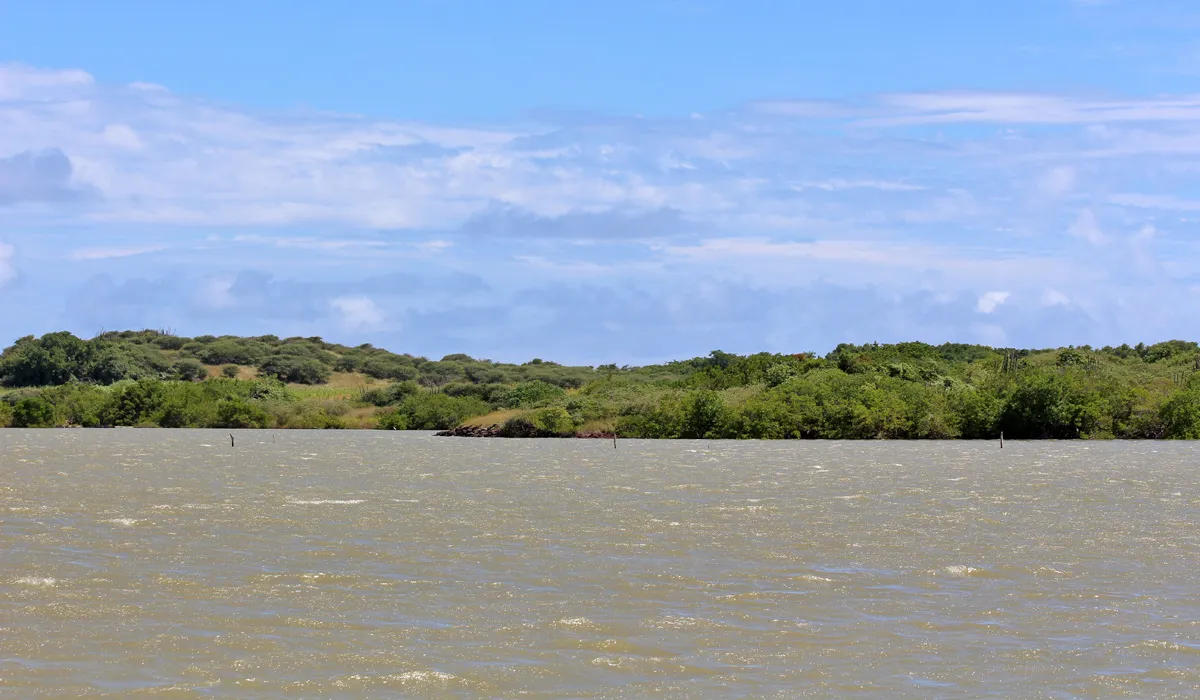
The Presqu'île de la Caravelle (Caravelle peninsula) is a natural area of Martinique located on its "arm" to the east, on the Atlantic side. In a few figures, the Caravelle peninsula is 12 km long and the highest point, the Morne Pavillon with a height of 189 meters.

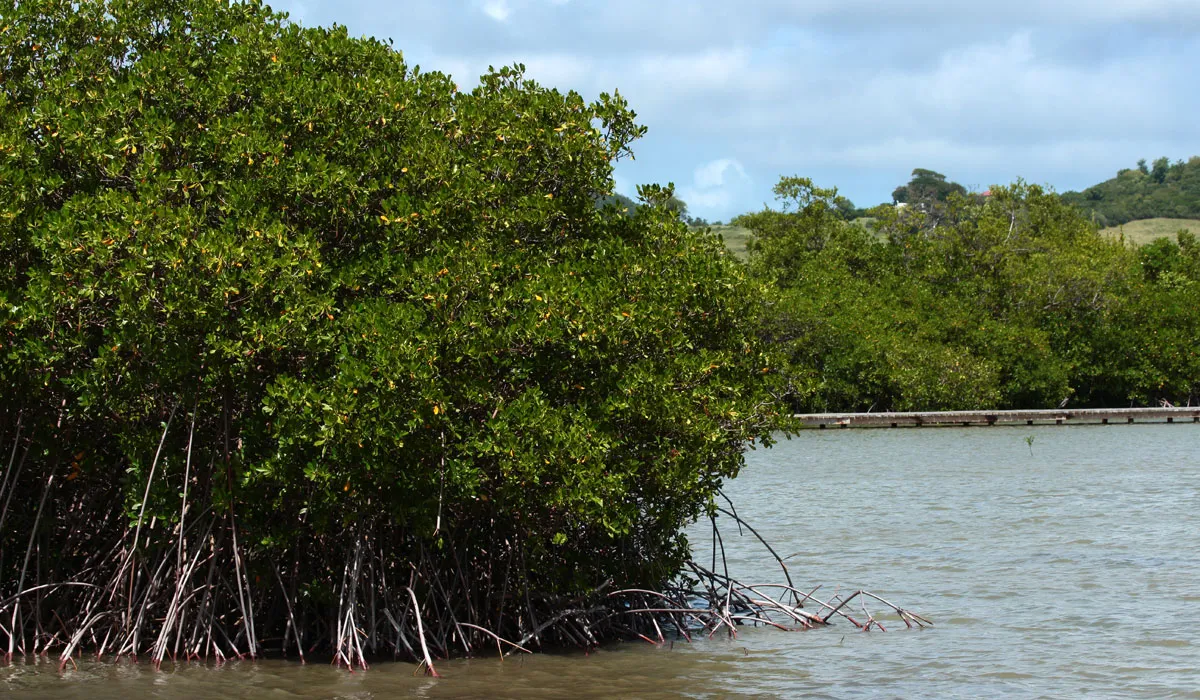
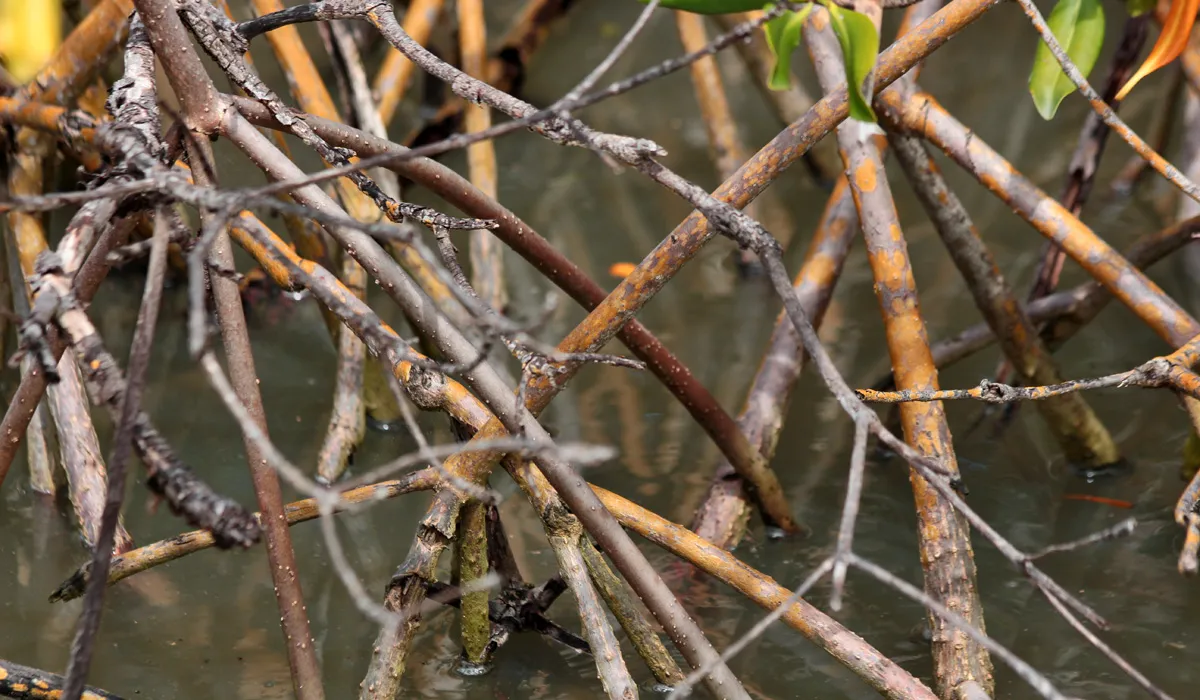
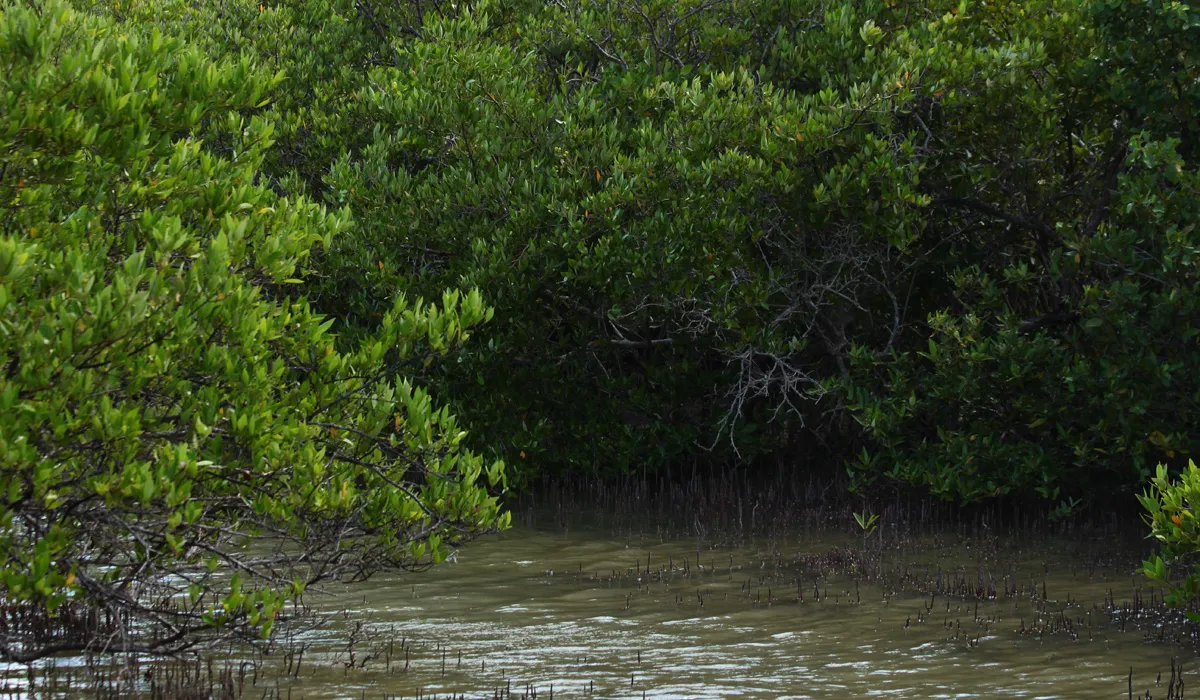
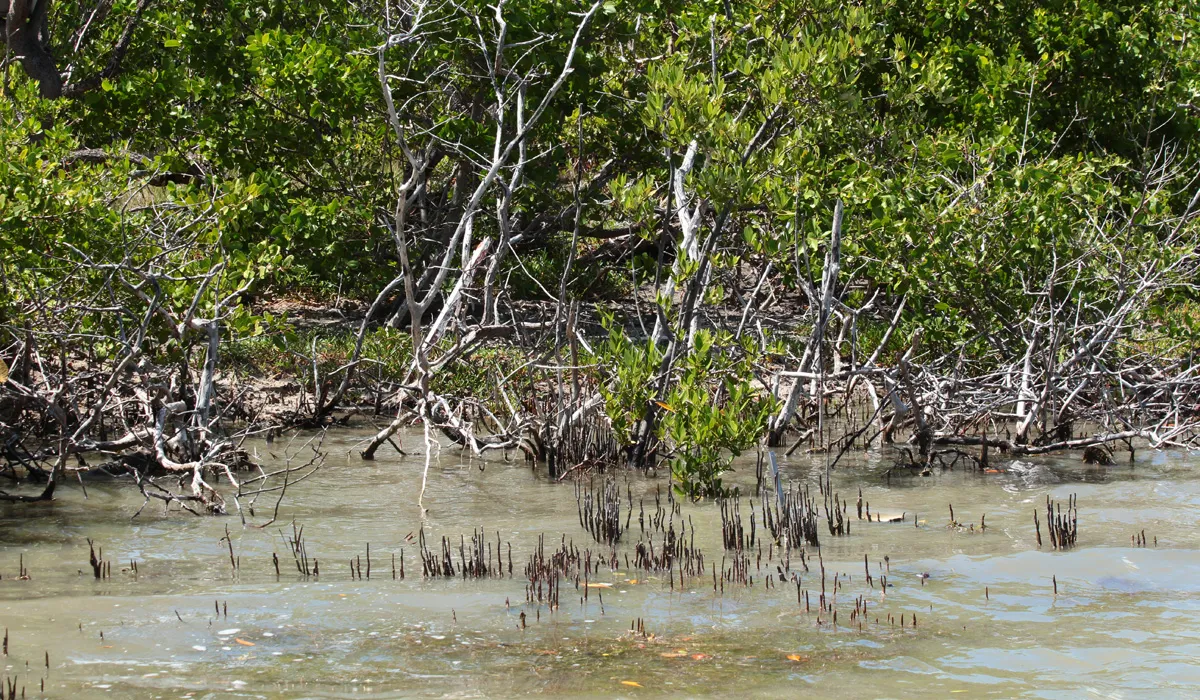
From a geological point of view, it is the oldest part of Martinique with the region of Sainte Anne. It is a region which is characterized by its many sugar cane fields, its beaches (Anse L'Étang, Anse de la Brêche, Anse Bonneville) and its nature reserve managed by the Parc Naturel Régional de la Martinique. It is a protected site where dry savannah and mangroves coexist, site where crabs and tarantulas reproduce in the area.

This arm of land juts out into the Atlantic, which outlines rugged coasts. The Caravelle peninsula, which is considered by many to be one of the most beautiful sites on the island, offers various activities and places that are worth seeing.

In addition to the beaches mentioned above, it is also on the Presqu'île de la Caravelle that you can visit the ruins of Château Dubuc, another site managed by the Parc Naturel Régional de la Martinique where you can go hiking.

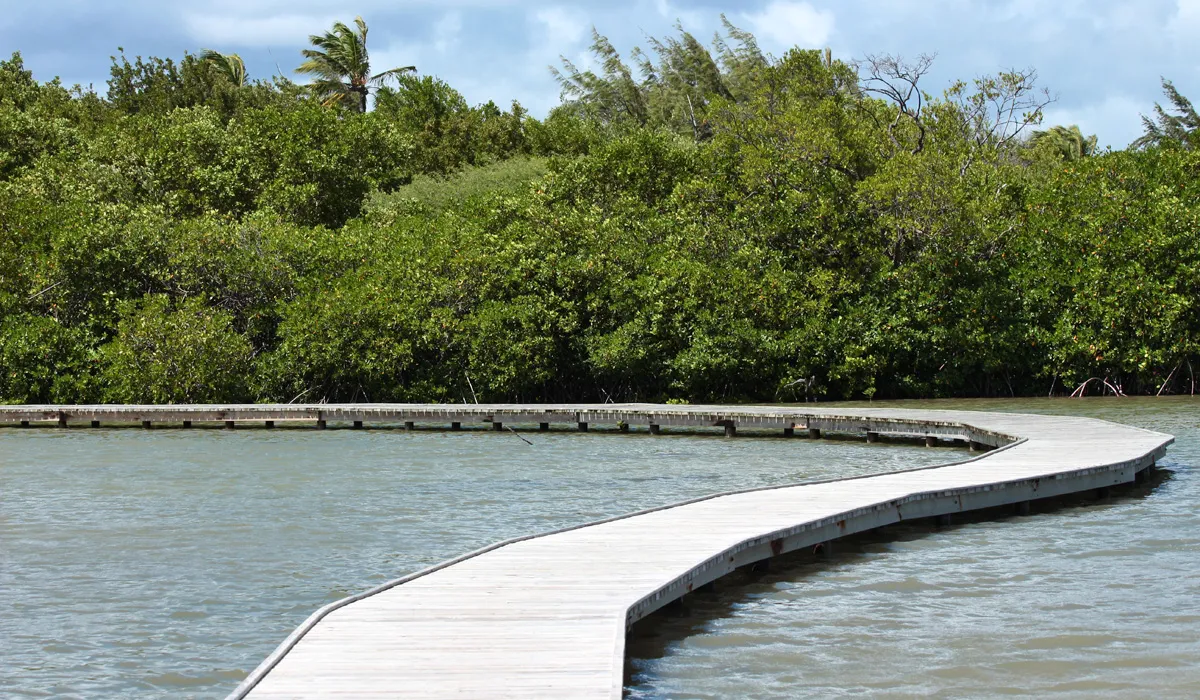
Two signposted circuits are present there. The longer one (3h30) will take you along the beautiful coast of the tip of the peninsula passing near the Caravelle lighthouse while the other shorter (1h30) will take you to discover the mangrove halfway between land and sea.

To get there, direction the town of Trinité then follow the direction towards Tartane and then Château Dubuc. This is the starting point for the two hikes.

Photo gallery
Panneau indiquant le départ de la randonnée longue Grand Sentier
Départ de la randonnée longue Grand Sentier
Parcours de la randonnée

Parc de la Savane

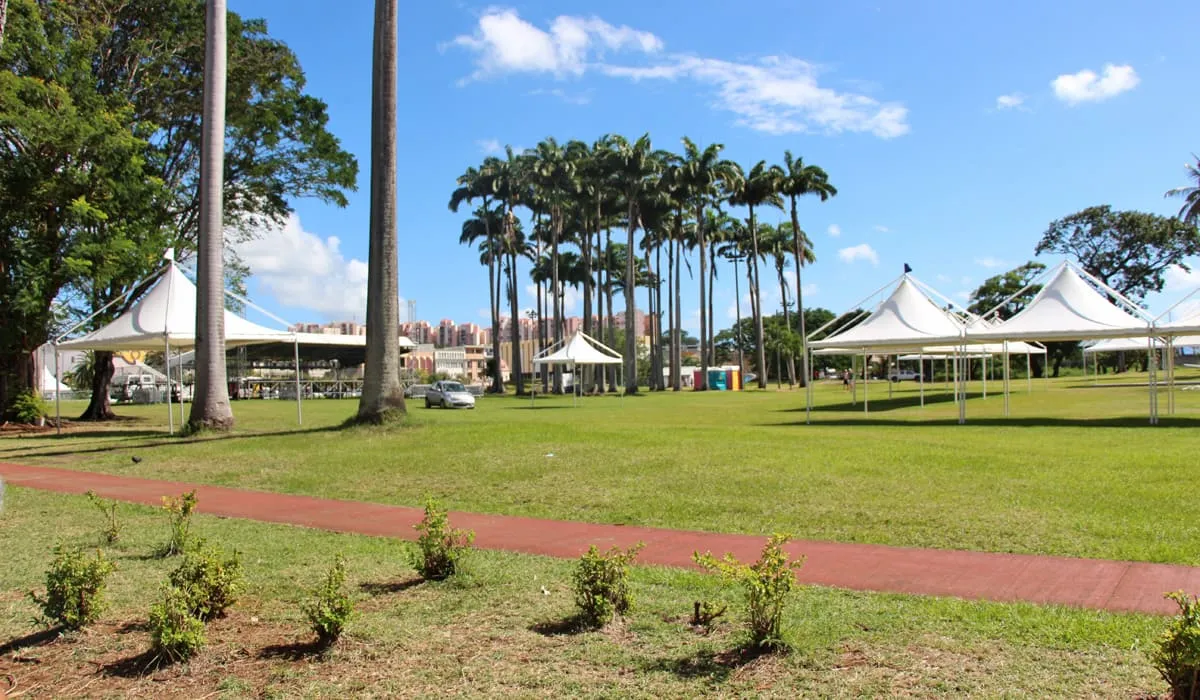
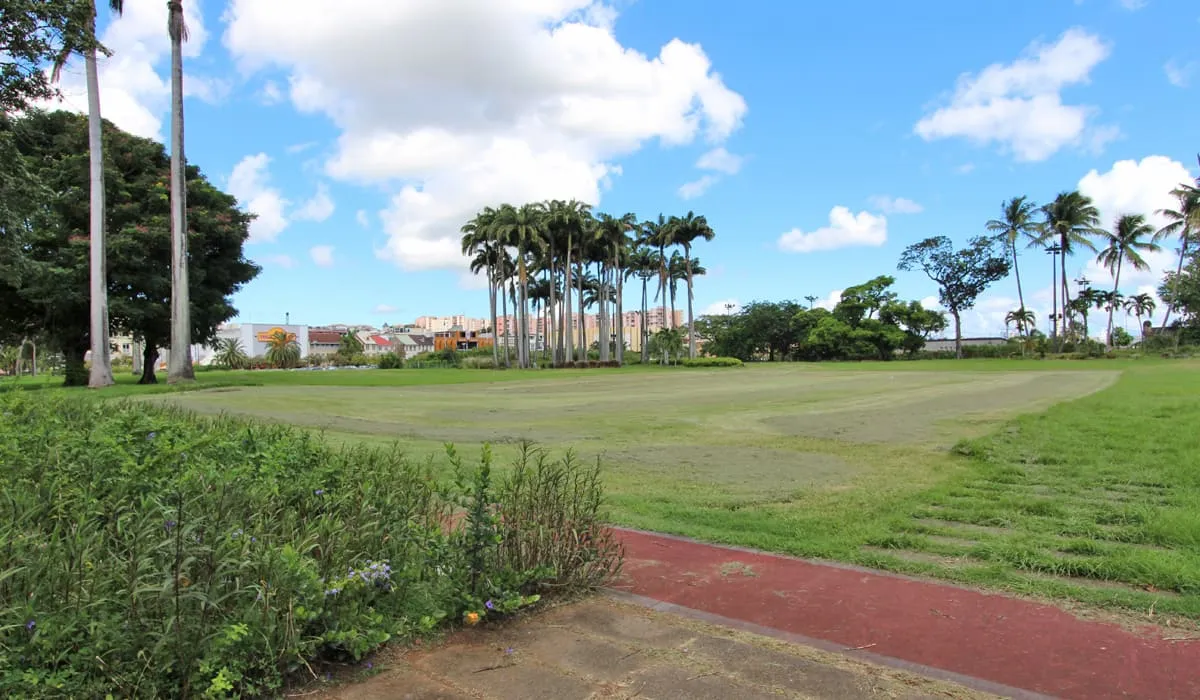
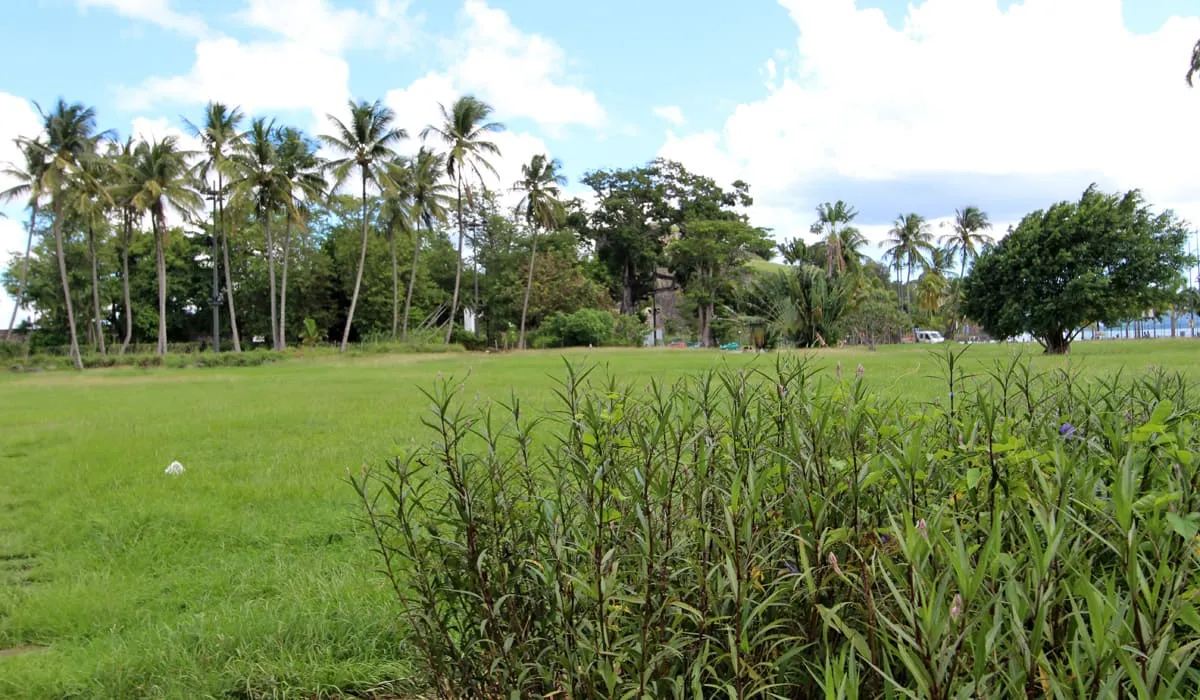
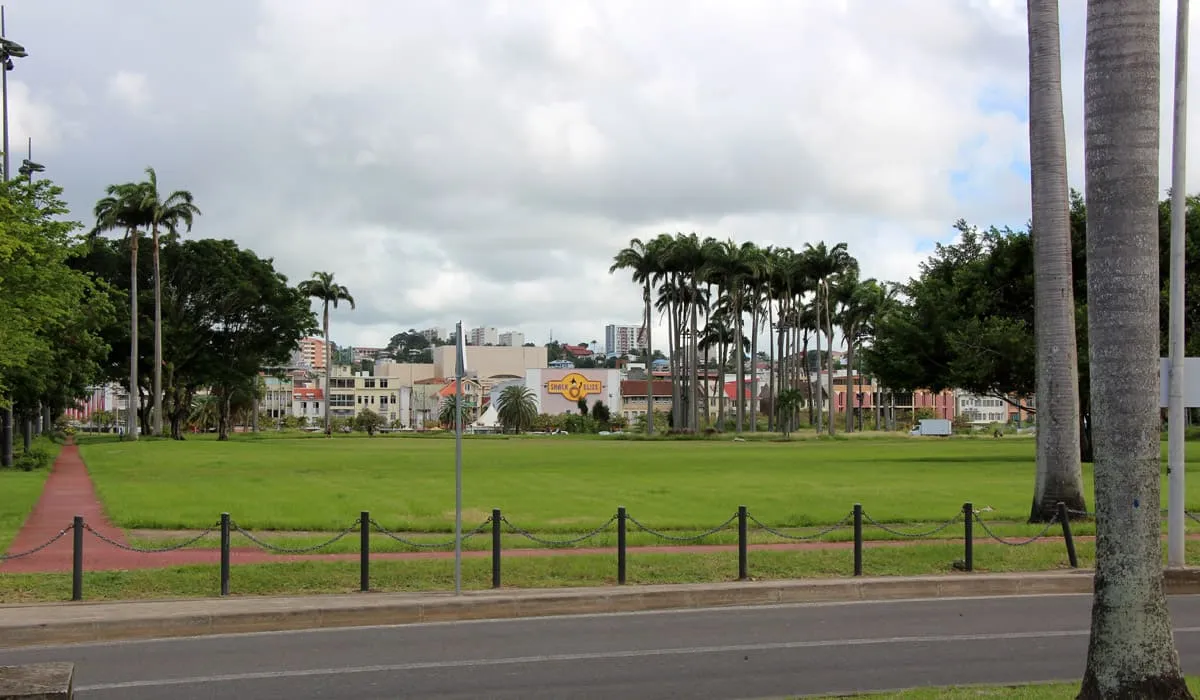
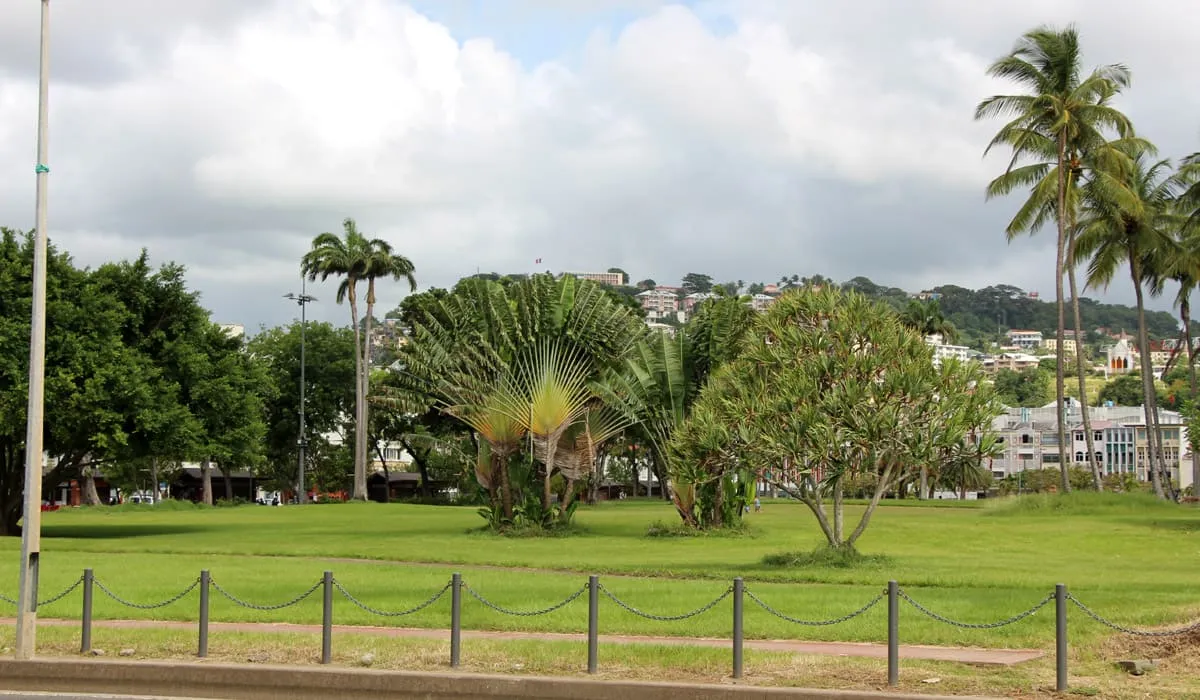
The Savane Park (Parc de la Savane in French), or simply “La Savane,” is a green space of about 5 hectares. It is the landmark site of the city of Fort-de-France. Often the starting point for sporting events, the parades of the city’s carnival, and military marches commemorating armistices, it is also the place where French and foreign heads of state are welcomed during visits to Martinique.

Moreover, in 1859, the people of Martinique chose it as the site for the statue of Empress Josephine. The bronze statue of Pierre Belain d’Esnambuc, the first Norman colonist to settle in Martinique, was erected there in 1935. The park itself was built on a former marshland that became a central gathering place of Foyalese life as early as the 17th century.

It is adorned with royal palms, traveler’s trees, and bougainvillea. It stretches from Fort Saint-Louis to the heart of downtown Fort-de-France.

If you ask the people of Martinique what La Savane means to them, they will tell you it is a place for romantic encounters. Indeed, it was where lovers used to stroll and where future couples would meet.

The park reopened in April 2011, after being restructured by regional authorities and the city of Fort-de-France. Today, it is even possible to see iguanas wandering among the trees.

Photo gallery
Savane Park
Savane Park
Savane Park
Savane Park
Savane Park
Savane Park
Savane Park
Savane Park
Parc de la Savane
Parc de la Savane

Salines pond

Near the Salines beach lies a vast protected area that includes the Salines pond (l'étang des Salines in French). This large pond shelters exceptional fauna and flora. Although today it is a protected site, in the past—thanks to its location and the resources it offered—it hosted a sugar plantation, and later served as agricultural land. Toward the end of the 20th century, viticulture was introduced at the Salines pond.

Since 1998, the pond has been protected by the Coastal Conservatory. In 1999, it was recognized as a wetland of international importance under the Ramsar Convention. Today, the Association for Memory and Heritage of Sainte-Anne (AMEPAS) helps visitors discover this unique site in Martinique. The pond has been developed with a boardwalk trail that allows you to admire the local fauna and flora up close. Its bottoms are muddy, grassy, and sandy.

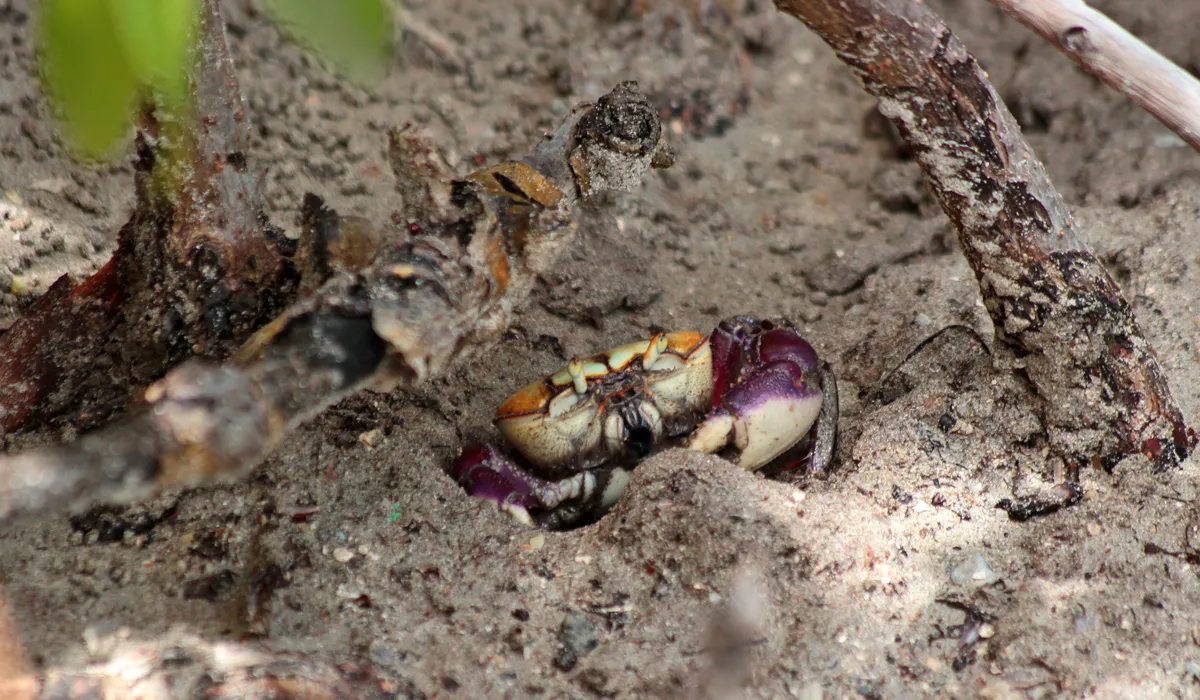
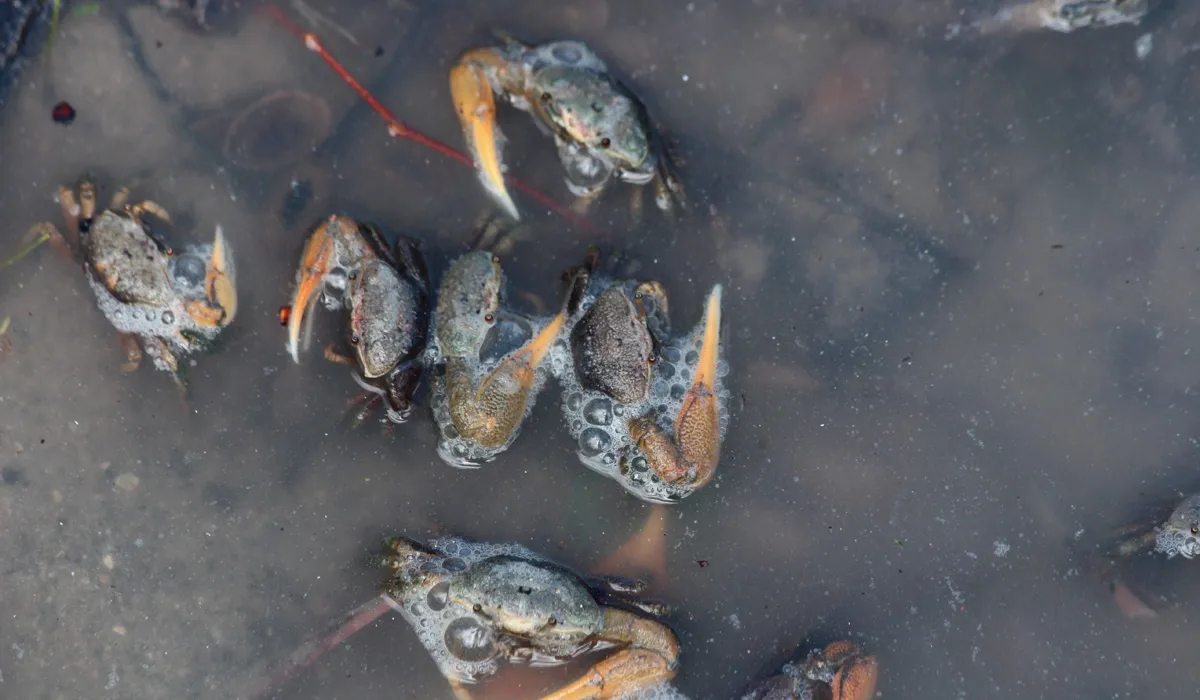
The Salines pond is a haven for wildlife. Thirty-eight species of fish, five species of shrimp, and ten species of crabs live here. Both freshwater fish and those adapted to saltwater environments can be found (such as garfish, mullet, pike, eel, moray, and sole).

You can also observe migratory birds. These birds, coming from North America, stop here for a few hours or days—sometimes for reproduction—before continuing their journey to spend the winter in South America. Migratory birds are mainly visible during the last quarter of the year.

Photo gallery
Salines pond
Salines pond
Crab at Salines pond
Crabs at Salines pond
Mangroves
Mangroves
Salines pond
Salines pond
Salines pond
Salines pond
Salines pond
Salines pond
Salines pond
Salines pond
Vegetation at Salines pond

Domaine d'Émeraude

Domaine d'Émeraude was inaugurated in the town of Morne Rouge on February 28, 2011. Previously the site was the location of the Maison de la Nature. Managed by the Parc Naturel Régional Natural, it is a perfect complement to the Jardin de Balata on the same Route de la Trace.

It extends over a vast wooded property covering an area of 22 hectares belonging to the Department of Martinique, where a hundred plant species can be identified by more than three miles of trails located the heart of a forest.

An exploration pavilion presents the natural history of the island, vegetation, soil formation, wildlife and the lively local flora and playful way.

Domaine d'Émeraude wants to be a awareness tool for all life forms, are presented where the elements of nature, biodiversity, ecosystems of Martinique and the development of reports man with nature. The visitor is placed in the position of an explorer who discovers for the first time the richness of tropical nature.

The visitor must be curious and observant and will be filled on ancestral know-how in Creole Garden (ornamental aspect, feeder and curative), rare species or endangered soon with an arboretum with balata, cabellier, etc...

It's also a place for experimentation plant (currently greenhouse cultivation, excluding soil with coco as the ancients did). It also allows the reception of groups in, for example, of environmental education missions of the Park.

To get there from Fort-de-France, follow the route of the Trace (NR3), pass the crossroads of two-Choux until the end of the great descent that leads to Morne Rouge and turn before the bridge.