History
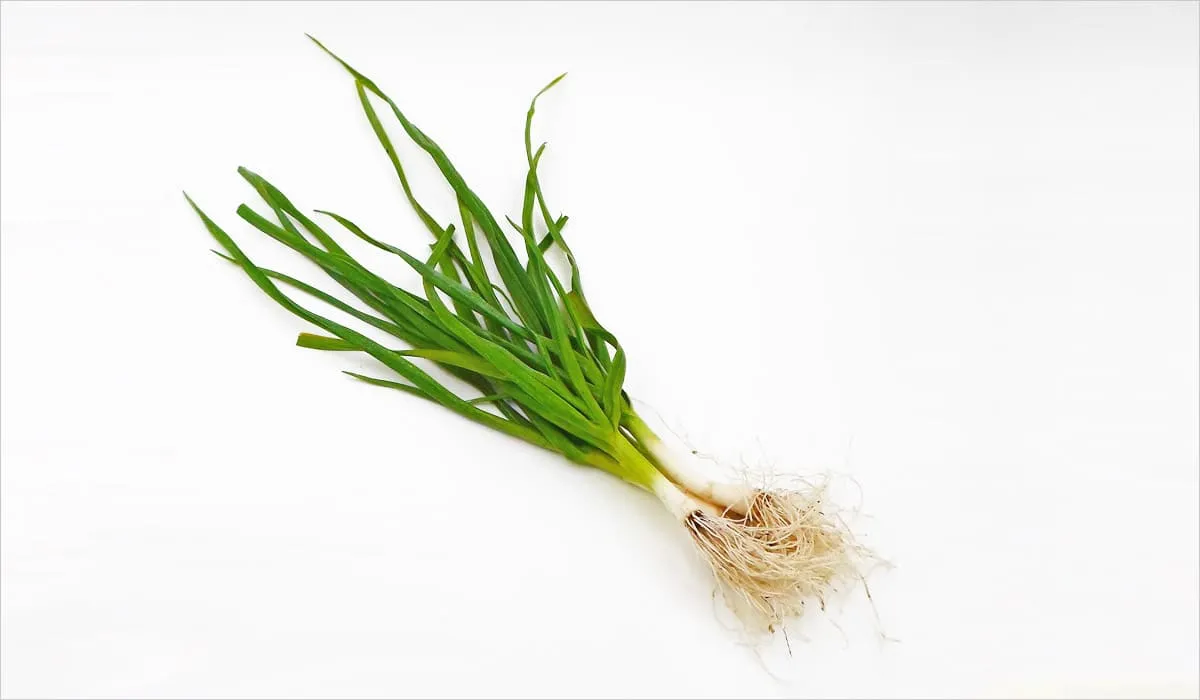
The oignon pays, also called cive, and known scientifically as Allium fistulosum, is commonly referred to in English as the Welsh onion or bunching onion. It belongs to the Alliaceae family, like garlic, onion, and shallot. Native to East Asia, the Welsh onion was introduced to Europe at the end of the Middle Ages, and its use in European cuisine dates back more than 3,000 years.
Praised by Homer and mentioned in the Bible, it has been given many regional names in France, such as cive in Picardy or oignon-pays in Martinique and Guadeloupe.
Varieties
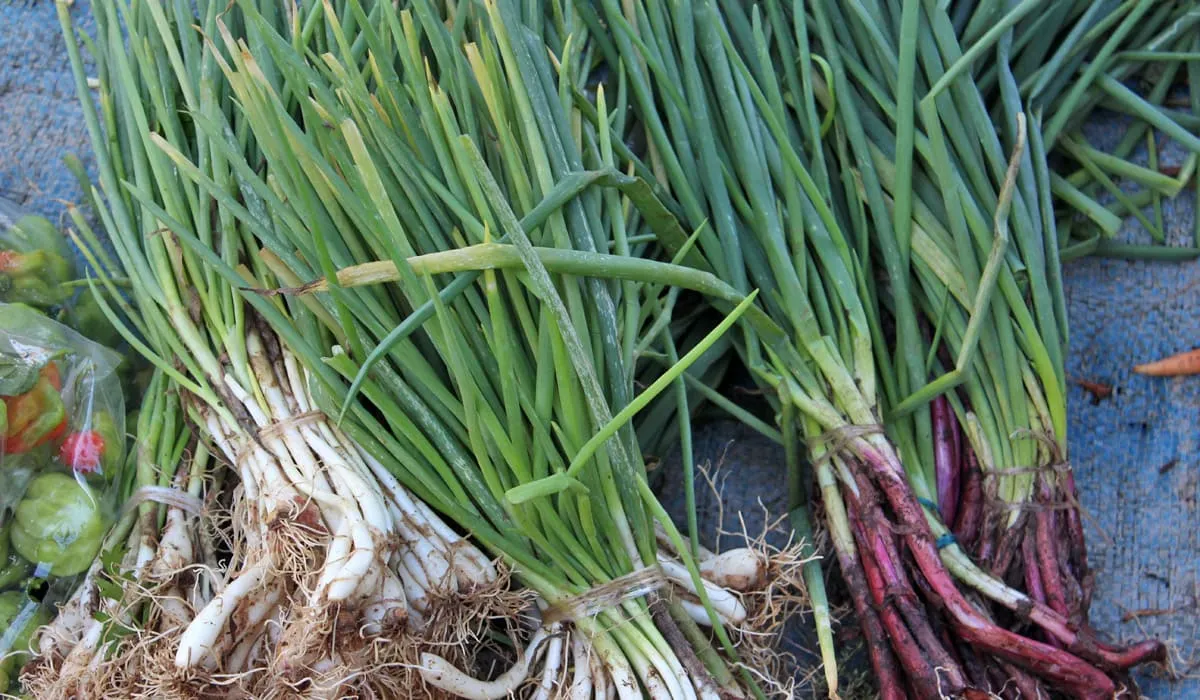
There are wide varieties of Welsh onions, but in Martinique, the most common are the white-stemmed variety with a yellow base, and the Madère variety with a red or purple stem.
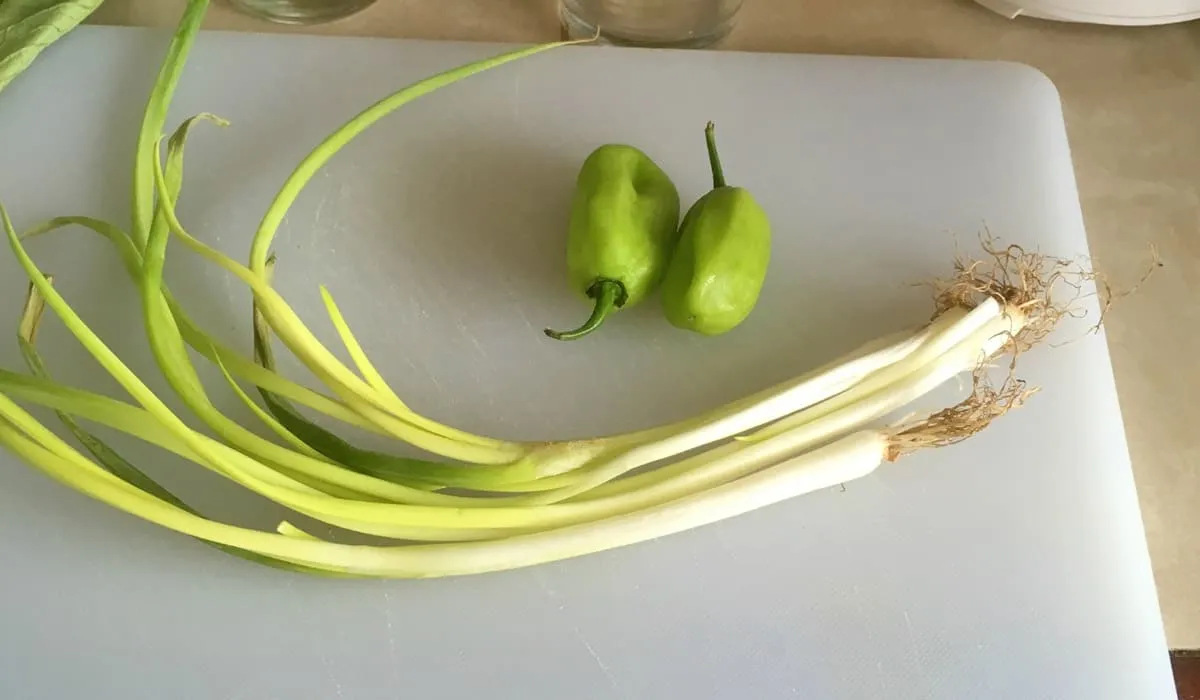
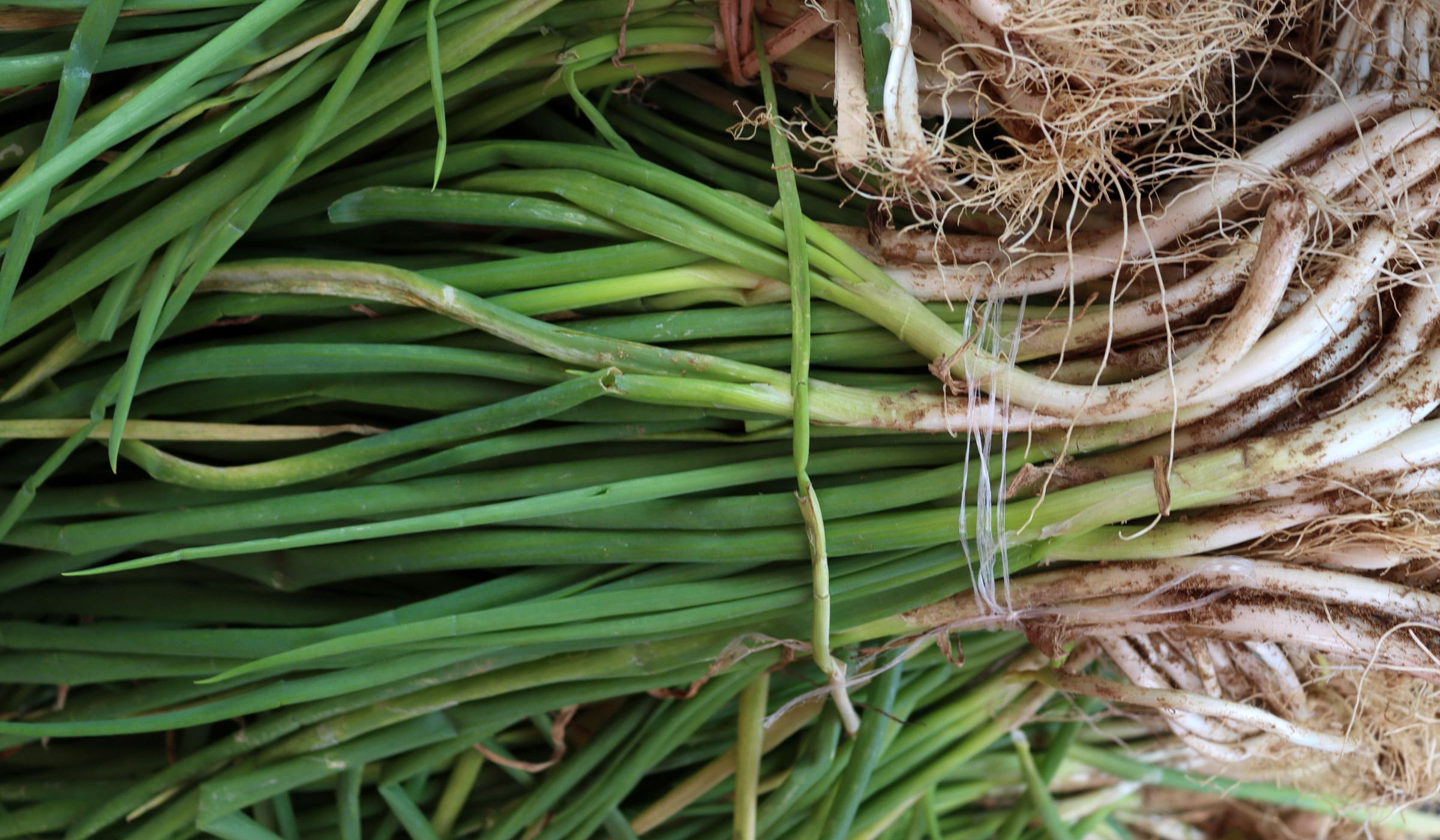
The oignon pays consists of long green leaves (30 to 50 cm), hollow and cylindrical, thicker than chives. Unlike the common onion, the Welsh onion does not form a true bulb; instead, it ends in a slight pear‑shaped swelling that blends into the base of the stems.
In Martinique, Welsh onions are harvested year‑round. After planting, they require about 75 days before they can be harvested and used.
Medicinal properties
Welsh onion is believed to have antiseptic, appetite‑stimulating, digestive, and diuretic properties.
Uses
Welsh onion is widely used in Martinican cuisine. It appears in nearly all our sauces and is used to flavor soups, gratins, and the preparation of traditional acras, among other dishes.