
Martinique's shared history with the Jewish people dates back to the very beginning of colonization. In fact, as early as 1654, less than 30 years after Pierre-Belain d'Esnambuc settled in Martinique with the aim of colonizing the island, a few Dutch Jews fleeing Brazil from Recife found refuge in the northeastern part of Martinique, known as “Little Brazil.”
Jews during colonization
Initiators of the practice of slavery?
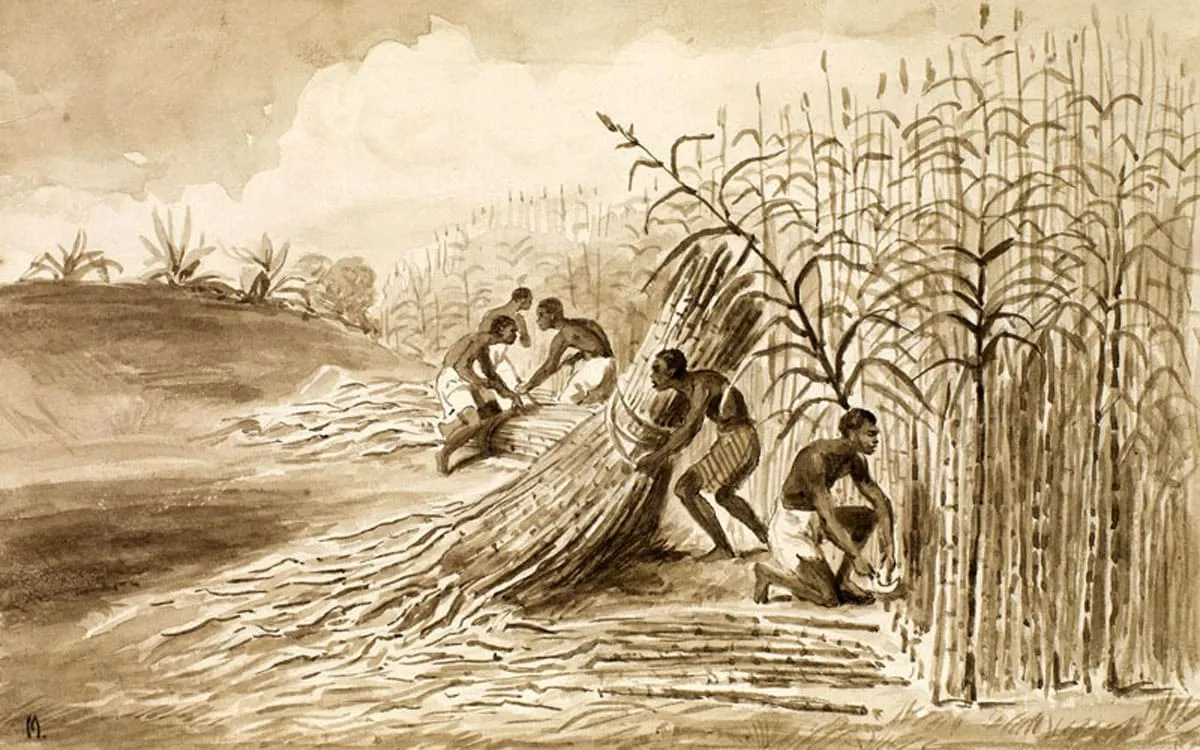
These new arrivals came to the island with their slaves. They introduced sugar cane cultivation to Martinique, along with techniques for crystallizing and refining sugar (building irrigation canals and water and wind mills). They were also responsible for introducing the practice of slavery, which they had previously used in Brazil.
At the time, the slave trade was officially prohibited. Under the reigns of Louis XIII (1610–1643) and Louis XIV (1643–1715), buying and selling slaves was forbidden. However, the Compagnie des Indes Occidentales, responsible for managing the colonization of the French Caribbean islands, signed treaties that included the importation of several hundred slaves to Martinique and Guadeloupe.
In practice, slavery remained clandestine and illegal until 1685, when the Code Noir granted legal status to African slaves. That same decree, in its first article, ordered Jews to leave the French colonies in the Americas:
We instruct all our officers to expel from our islands all Jews who have established residence there, whom, as declared enemies of the Christian name, we command to leave within three months from the publication of this decree, under penalty of confiscation of body and property.
Many fled to Barbados, while others were forced to convert to Christianity.
The situation of Jews in mainland France was different from that in the colonies. In France, they were active in various trades across the country, particularly near Atlantic ports. Some had participated in the importation of slaves from Africa to Europe and then to the colonies. This first practice was later condemned by society and became marginal. The second—slave transport to the colonies—was tolerated through royal patents granted during the Regency of Philippe d’Orléans to shipowners working for the Compagnie des Indes Occidentales.
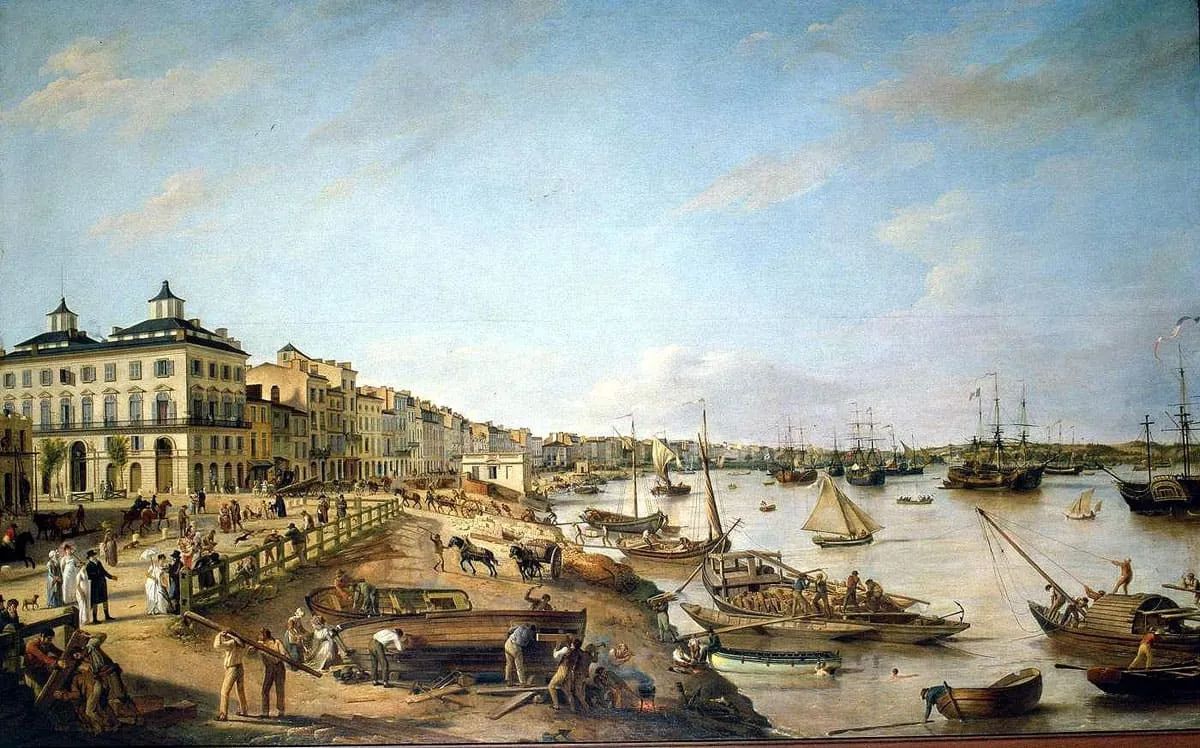
Following this authorization, the triangular trade developed from the major Atlantic ports, where prominent Jewish families called Portuguese had settled since the late 16th century—particularly in Bordeaux, where royal letters patent granted them status and privileges in 1754. Some of these families participated in the colonial trade, including the transatlantic slave trade.
For example, the Gradis family, a prominent French Jewish family of Portuguese origin, settled in Bordeaux in the 16th century and founded the Maison Gradis, followed by the Société Française pour le Commerce avec l’Outre-mer, a company dedicated exclusively to overseas trade. One of its members, David Gradis (1665–1751), established a wine and spirits business in Saint-Pierre in the early 18th century, with a branch in Saint-Domingue. The Gradis family also owned plantations in Martinique (Basse-Pointe) and Saint-Domingue, and held ownership of Gorée Island off the coast of Senegal.