
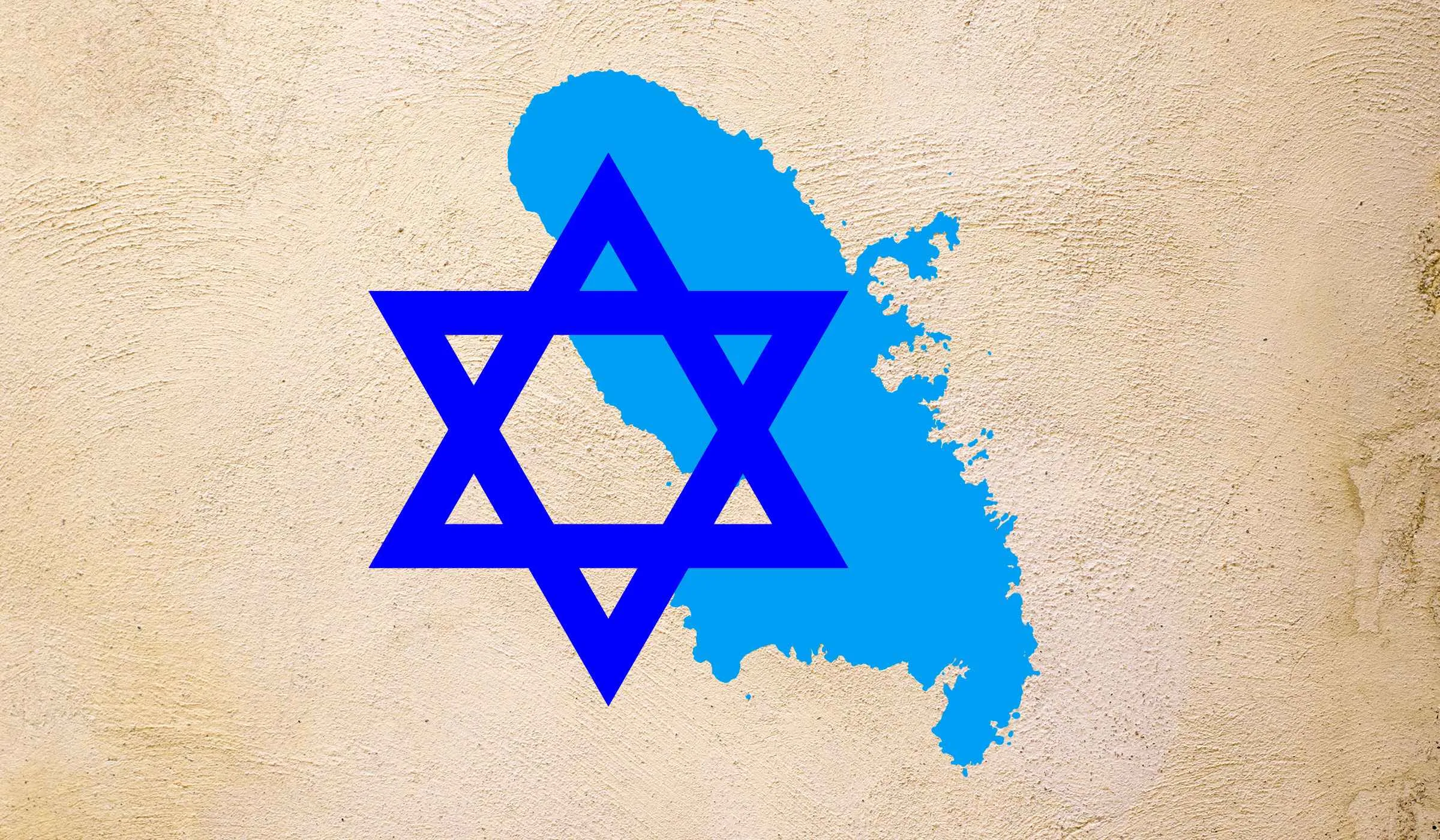
Jews during World War II

In September 1939, Georges Mandel, then Minister of the Colonies under the Third Republic, appointed Admiral Georges Robert (photo above) as Commander-in-Chief of the Western Atlantic naval forces. Given the extremely tense political climate, it was anticipated that Admiral Robert would become High Commissioner of the Antilles and French Guiana “if the situation required it.” Following France’s entry into the war, Admiral Robert was granted this additional authority while remaining loyal to the government, which had relocated from Paris to Vichy.
In June 1940, he swore allegiance to Marshal Pétain, placing Martinique under the Vichy regime for three years. He implemented the antisemitic laws then in force in mainland France. Among his closest advisors was Count de Cérézy, known to British intelligence services as “strongly antisemitic.” He reportedly ordered the repatriation of Jewish refugees arriving from North Africa and mainland France.

During this period, the renowned anthropologist Claude Lévi-Strauss (photo opposite), who was Jewish, passed through Martinique. The Robert administration labeled him a “Judeo-Freemason in the service of the Americans.” Jewish transients, considered “illegal passengers,” were placed under administrative internment at the Balata military camp as “individuals dangerous to national defense and public safety.” Among them were a man named Abraham Weisz and another named Lévi.
Éric Jennings, professor of contemporary history and author of Vichy sous les Tropiques, described Martinique’s ambiguous role under the Vichy regime, which sought to rid itself of Jews. Until 1942, the regime envisioned the island of the coming-back as a transit point of indefinite duration for Jews and other “undesirables” from the mainland. Six cruise and cargo ships made the journey from Marseille to Martinique carrying refugees. At the time, Martinique represented “France’s last emigration project before the Holocaust.”
The antisemitic laws of Vichy France were reproduced in the Journal Officiel de la Martinique (JOM). Subsequently, discreet surveillance was carried out on two civil servants suspected of being Jewish. Archival records also mention a man named Guthman—his name deemed suspicious by Vichy authorities—who was suspected of being Jewish and had to prove his Catholic origins.
Various documents from the period attest to the presence of Jews on the island. One example is the story of Daniel Stern, a 23-year-old French Jew born in Caen (Calvados), who was expelled from the French army in Martinique under strict enforcement of Vichy’s antisemitic laws. He later turned to hotel work in Fort-de-France. On January 9, while attempting to reach a nearby British island (Saint Lucia? Dominica?), he was intercepted off the coast of Anse Madame in Schoelcher. He was reported to the police and, without any legal proceedings, was punished and expelled to mainland France, where a much harsher fate awaited him.
No official figures exist to determine how many Jews were expelled from the island.
A commemorative plaque stands in front of the Martinican Communist Party headquarters, bearing the inscription:
The French Republic pays tribute to the memory of the victims of racist and antisemitic persecutions committed under the de facto authority of the so-called ‘Government of the French State’ (1940–1944). Let us never forget.
Today, every July 16, representatives of the French state in Martinique and the municipality of Fort-de-France lay wreaths in front of this plaque to commemorate the Vel d’Hiv roundup.