History
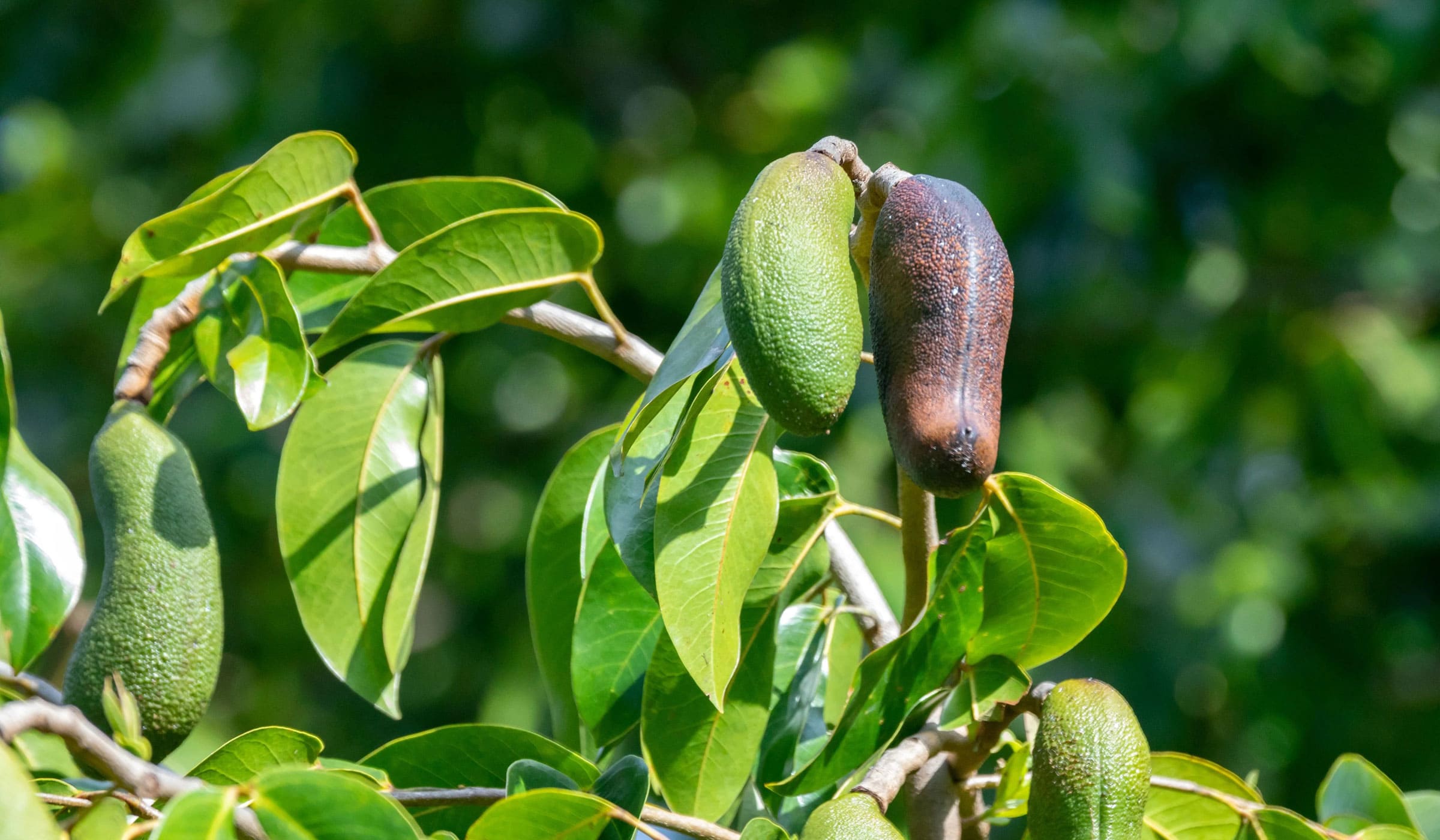
Courbaril, whose scientific name is Hymenaea courbaril, is native to tropical America. It is also called the West Indian locust. It later spread throughout the Caribbean, Central America, and South America. Today, it is common in the dry and semi‑humid forests of the Lesser Antilles.
Courbaril is best known for its therapeutic properties, particularly its pectoral, anti‑asthmatic, sedative, and healing effects.
Varieties
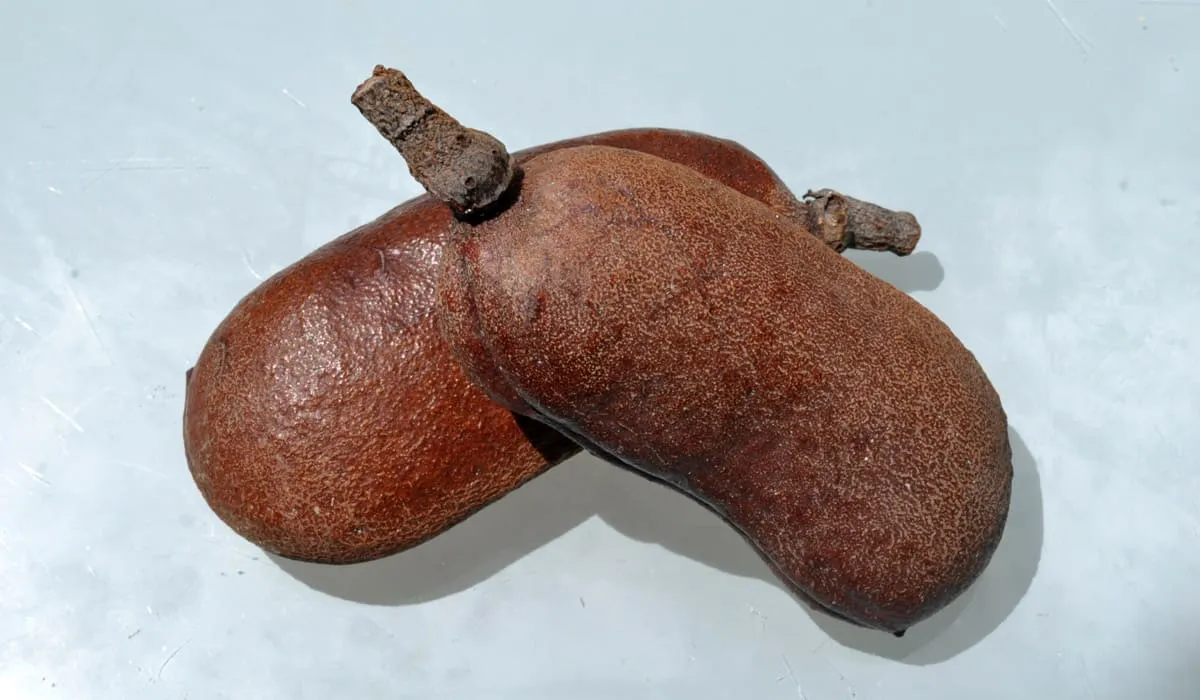
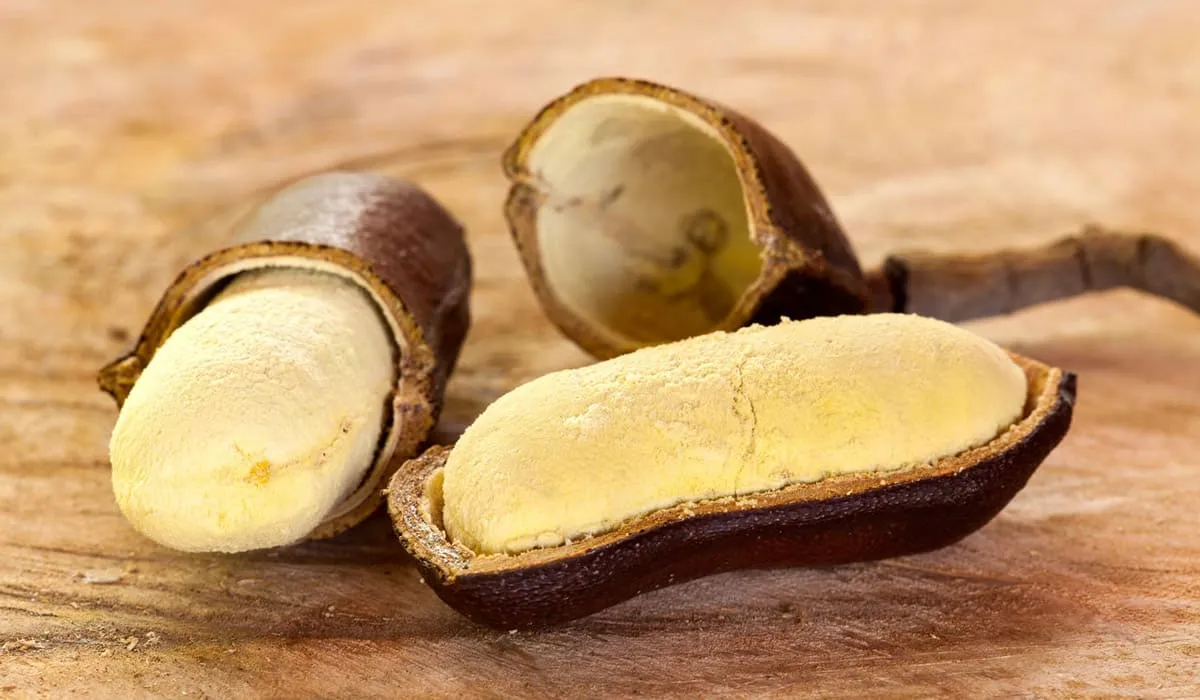
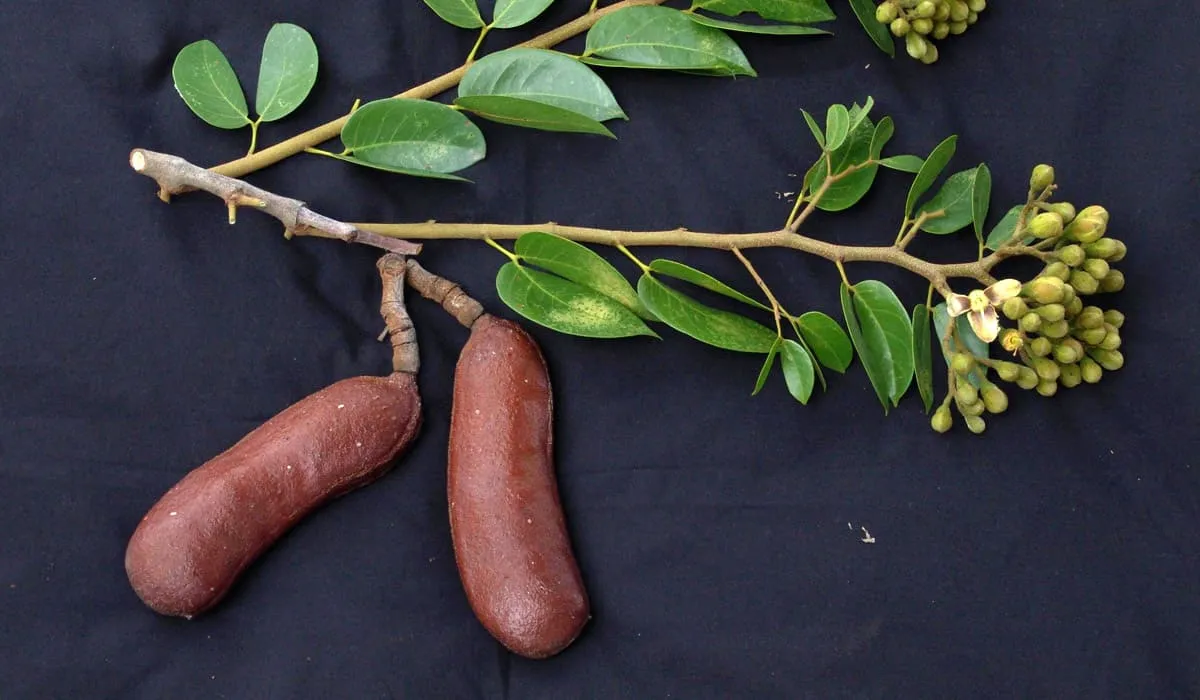
The number of varieties is unknown. The tree produces very hard, dark red wood. It bears large, very hard brown pods, rounded at the ends, each containing 1 to 8 seeds. These seeds are embedded in a floury, yellowish, sweet pulp with a musky aroma and flavor.
Certain parts of the plant are used as remedies for coughs and asthma. It is also employed to relieve rheumatic and muscular pain.
Medicinal Virtues
For centuries, Indigenous tribes of the Amazon have used courbaril for medicinal purposes. It was recommended by the Brazilian doctor J. Monteiro Silva for treating diarrhea, dysentery, asthenia, intestinal gas, hematuria, and hemoptysis.
The tree’s secretions, known as copal gum, are used both as medicine and as a highly valued varnish among Amazonian and neo‑colonial societies.
Uses
The fresh pulp can be eaten raw during forest walks. In Brazil, it is dried and ground into a powder used in various preparations, including energy drinks.
Its red wood is widely used in fine woodworking and cabinetry.